
Turkish Meze: 15 Classic Dishes & What to Drink with Them
Turkish meze are the small sharing plates that open every long Turkish table — smoky mütebbel, silky fava, salt-cured lakerda, fiery atom — served to accompany a drink and a conversation rather than to fill you up. Below, a Kadıköy sommelier walks through 15 classic Turkish meze dishes: what each one is, what it tastes like, and the native-grape wine to pour beside it.
 Written by Cenap Kuzuoğlu, founder & sommelier at WAYANA in Moda, Kadıköy — 500+ Turkish wines, all by the glass.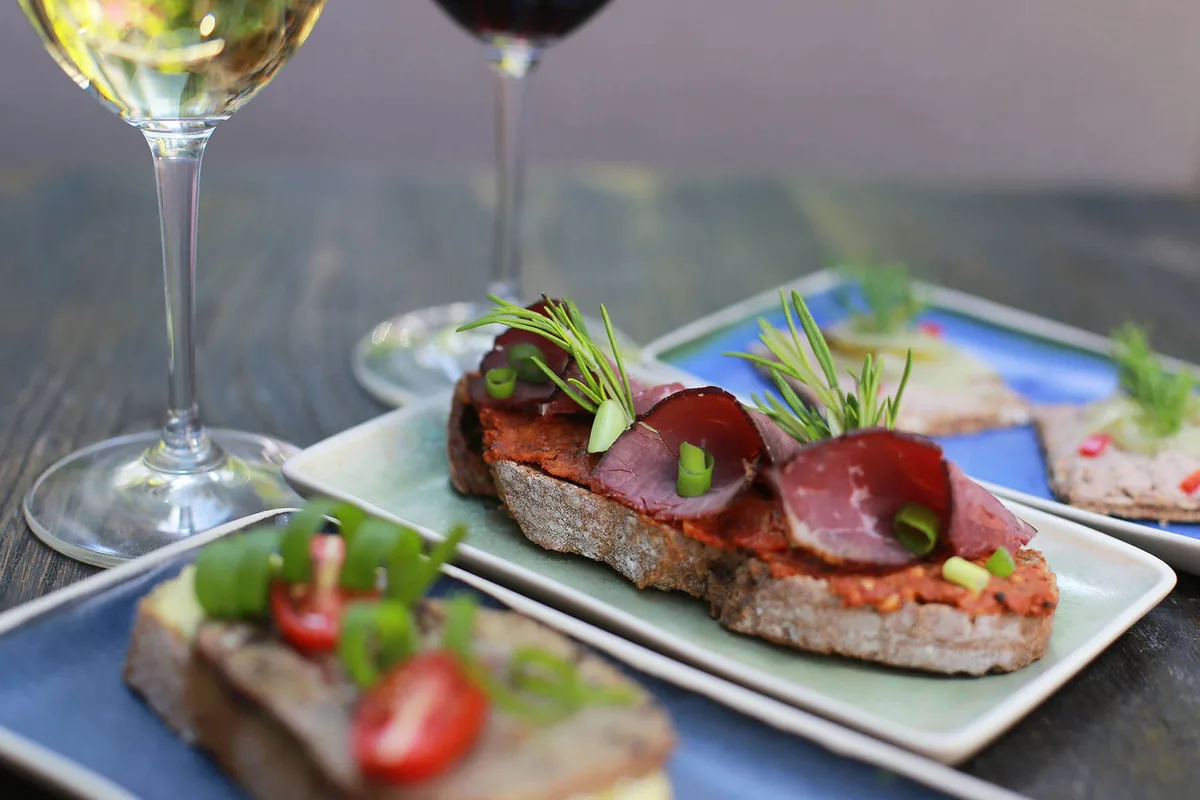
What is Turkish meze?
Your long-awaited trip to Istanbul is finally around the corner. After an exhilarating, awe-inspiring first day exploring the city, the time comes for the much-anticipated Turkish food. You take a seat at the table, and suddenly a vibrant mosaic of small sharing plates arrives. This seductive, colourful introduction to Turkish culinary culture is known as meze.
The word comes from the Persian maza, meaning "taste" or "flavour" (the English dictionary spells it meze or mezze). In Turkish culinary tradition it serves a distinct purpose: meze is designed to accompany drinks and to facilitate connection, rather than to function as a heavy main course. Mezes are the cornerstone of unhurried, shared tables where time moves slowly.
In Turkey, dining is never a task to be rushed; it is a shared social ritual to be savoured — one that becomes even more joyful with continuous conversation. And the mosaic laid out in front of you reflects far more than Istanbul. It carries echoes from every corner of Anatolia: mütebbel hailing from the southeast, Circassian chicken carrying Caucasian heritage, slow-cooked neck of lamb from Thrace, and delicate artichokes from the Aegean coast.
Maza — "taste"
Persian in origin, shared across the Eastern Mediterranean. In Turkish it is simply meze; locals say mezeler when they count them.
To accompany a glass
Meze exists to go with a drink and a conversation, never to replace dinner. The plates do not compete with the glass, or with each other.
Cold first, then hot
Soğuk meze — purées, olive-oil vegetables, cured fish — arrive first. Hot plates (ara sıcak) follow. A main course is optional.
Shared and unhurried
Plates sit in the middle, everyone reaches, and the evening stretches. Two hours is normal. Three is better.
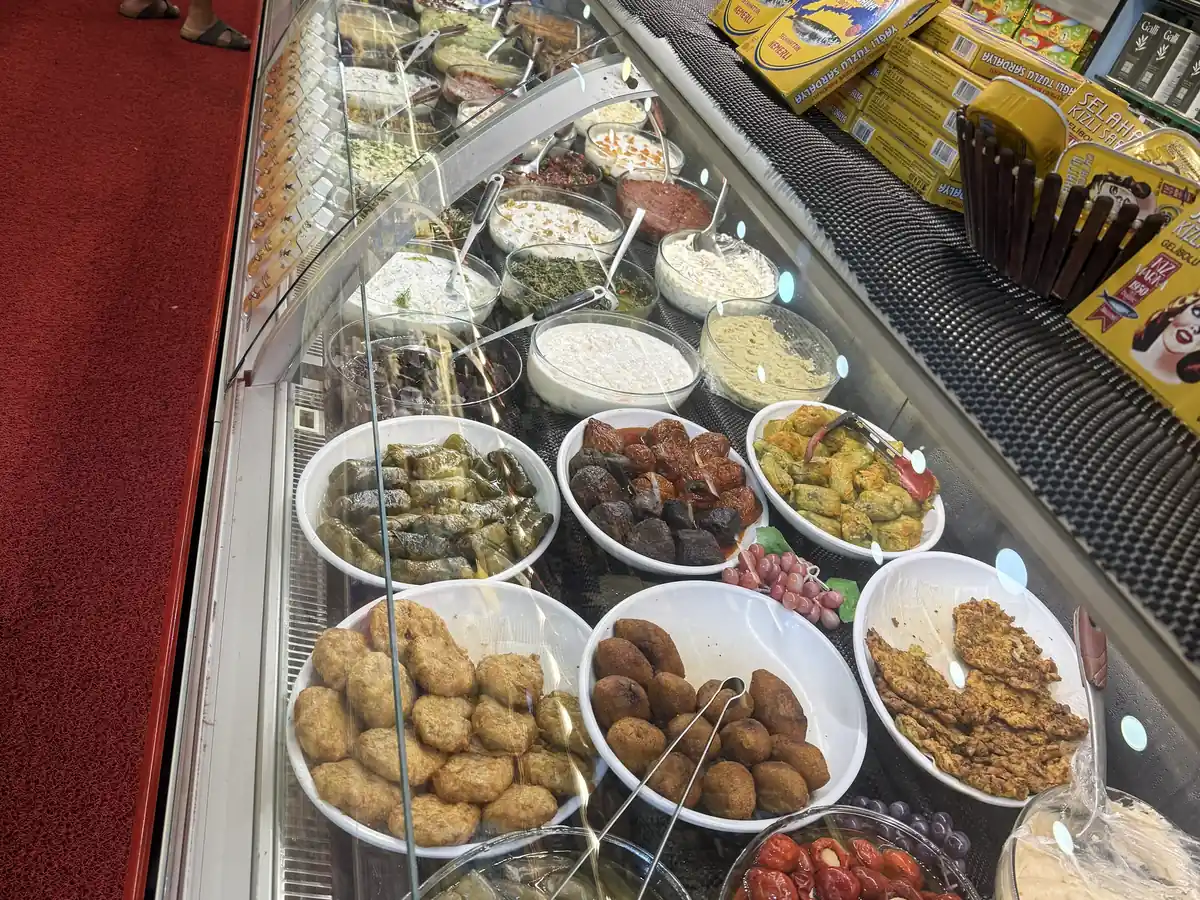
The common ground of the table
Mezes represent the common ground of the table. They do not compete with one another; a spoon of fava, a slice of lakerda and a piece of bread dragged through muhammara belong to the same sentence. And when that table is a wine table, each meze finds its natural soulmate in a glass, elevating both the food and the wine at the same time.
That pairing is the entire premise of this guide. Every list of Turkish meze dishes tells you what the plates are; almost none tells you what to drink with them. After two decades of tasting Anatolia's native grapes beside these dishes, we do — one sommelier note per meze, below.
Is meze Greek or Turkish?
This frequent debate in the culinary world cannot be confined within modern political borders. The dishes that bring flavour and colour to the table are cultural syntheses passed down across civilisations over centuries. They represent the shared heritage of the diverse communities who cultivated the same land, fished the same waters and tended the same vineyards — from the Aegean to the Levant, from the Balkans to Persia.
You will find salt-cured bonito on both shores of the Aegean, a smoky eggplant-and-tahini purée from Istanbul to Beirut, and a walnut-and-pepper spread from Aleppo to Gaziantep. Rather than treating meze as a matter of cultural ownership, it is best appreciated as a shared culinary heritage — enjoyed alongside raised glasses.
What is distinctly Turkish is the setting and the rhythm: the meyhane tavern, where meze is eaten with rakı over long Istanbul evenings; the Aegean tradition of vegetables braised in olive oil (zeytinyağlı); the cured-fish culture of the Bosphorus; and, increasingly, the wine bar, where meze meets Anatolia's native grapes. We wrote about the rakı side of that story in our guide to Turkish drinks; this guide is about the plates.
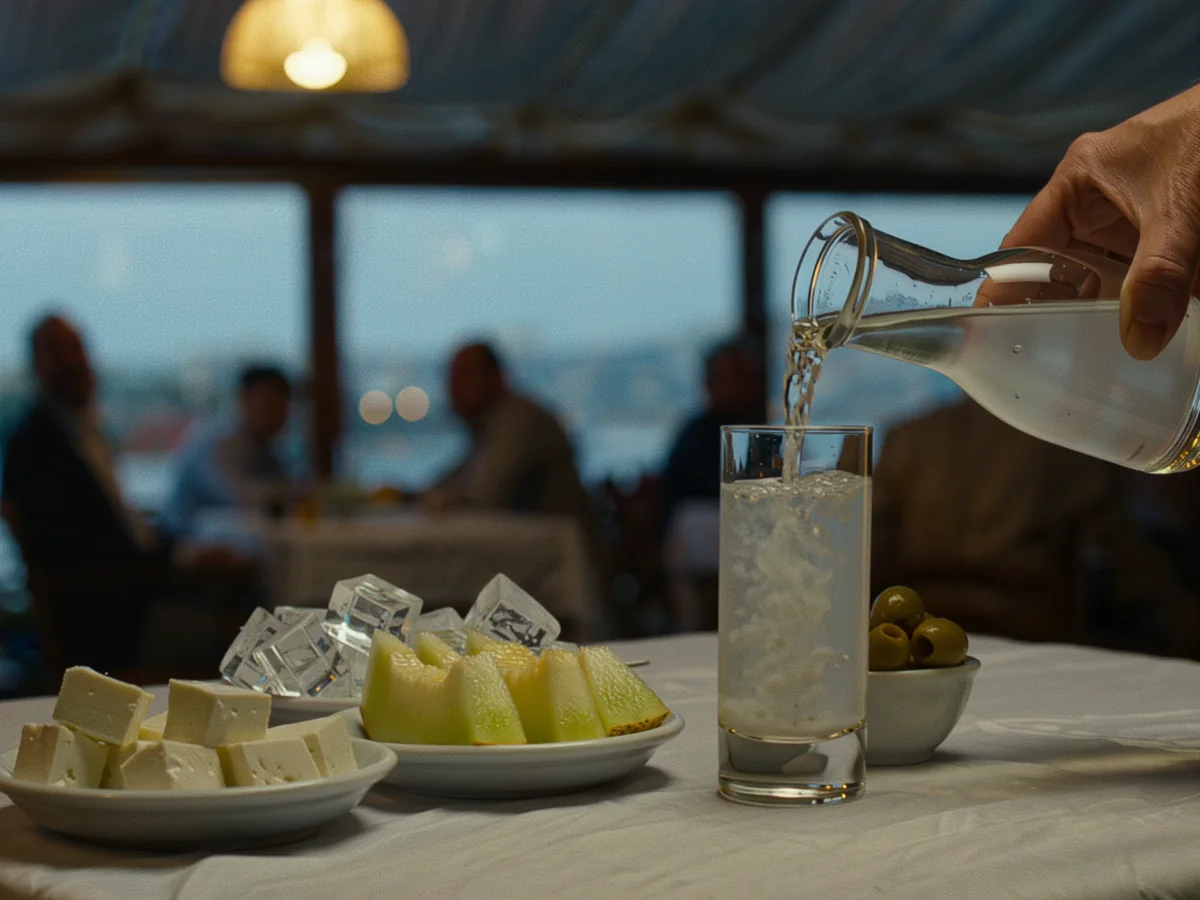
15 classic Turkish meze dishes and what to drink with them
Each dish is described the way you meet it at the table: what it is, what it tastes like, and the sommelier pairing we pour with it in Moda. No recipes — you are here to eat, not to cook. Cold plates are marked cold, hot plates hot, and cured seafood sea.
Lakerda salt-cured bonito · Istanbul
One of the most refined legacies of Istanbul's maritime heritage: fatty Bosphorus bonito cured in salt and ice water, sliced thin and served with finely sliced red onion. It is at its best after the autumn bonito run.
Mütebbel smoky eggplant & tahini · Southeast
Fire-roasted eggplant blended into a silky purée with tahini, strained yogurt, garlic, olive oil and lemon juice. The southeastern cousin of the eggplant salads you will find all along the Levant.
Fava broad bean purée · Aegean
Dried broad beans slow-cooked with olive oil and onion until completely smooth, rested until set, then finished with a drizzle of extra virgin olive oil and fresh dill. Served in slices or scoops, always cold.
Hummus classic & warm pastırma · Southeast
A smooth blend of chickpeas, tahini, lemon juice, garlic and cumin — enjoyed plain, or elevated with warm, spiced cured beef (pastırma) laid over the top just before it reaches the table.
Çiroz dried mackerel salad · Istanbul
A historic Istanbul speciality: spring mackerel salted and air-dried in the open breeze, then marinated in vinegar and served with extra virgin olive oil and fresh dill. Old Istanbul on a plate.
Beetroot & goat cheese zuzu / panzuzu
Roasted red beet slices paired with tangy goat cheese (bûche de chèvre), balanced with walnuts or date accents. A modern meze that has earned its place beside the classics.
Zucchini carpaccio kabak carpaccio
Paper-thin slices of fresh raw zucchini dressed with extra virgin olive oil, fresh mint, toasted hazelnuts and aged tulum cheese or shaved Parmigiano. Summer in one plate.
Olive-oil braised artichoke zeytinyağlı enginar · Aegean
Tender Aegean artichoke hearts gently braised in extra virgin olive oil and lemon juice, often with fresh peas, broad beans and aromatic herbs. A spring dish above all others.
Atom garlic yogurt with peppers in butter · Aegean
A garlic-infused strained yogurt base topped with dried red Aegean peppers sizzled in hot butter, poured over at the last second. Named, accurately, after a small explosion.
Muhammara acuka · Southeast
A southeastern spread of sun-dried red pepper paste, crushed walnuts, garlic, olive oil, pomegranate molasses and cumin. Scoop it with bread; it disappears first at most tables.
Neck of lamb kuzu gerdan · Thrace
Lamb neck slow-braised on low heat until it falls off the bone, served warm with its own savoury reduction and root vegetables. The hot meze that quietly replaces the main course.
Tarhana katığı fermented yogurt & wheat · Anatolia
A traditional fermented yogurt-and-wheat blend served as a crispy baked meze, or accompanied by fresh herbs and strained yogurt. Village food, elevated.
Shrimp casserole karides güveç
Plump shrimp baked in an earthenware dish with butter, garlic, tomatoes, peppers and shallots, served bubbling hot with bread for the sauce. Order it the moment the cold plates are cleared.
Circassian chicken çerkez tavuğu · Caucasus
Shredded poached chicken folded into a smooth paste of crushed walnuts, garlic, olive oil and breadcrumbs, finished with a drizzle of paprika oil. A dish carried to Anatolia by the Circassian diaspora.
Sautéed chard with yogurt yoğurtlu pazı kavurma
Fresh Swiss chard gently sautéed in olive oil with onions, garnished with roasted whole garlic cloves and served over chilled garlic yogurt — warm greens, cold yogurt, one spoon.
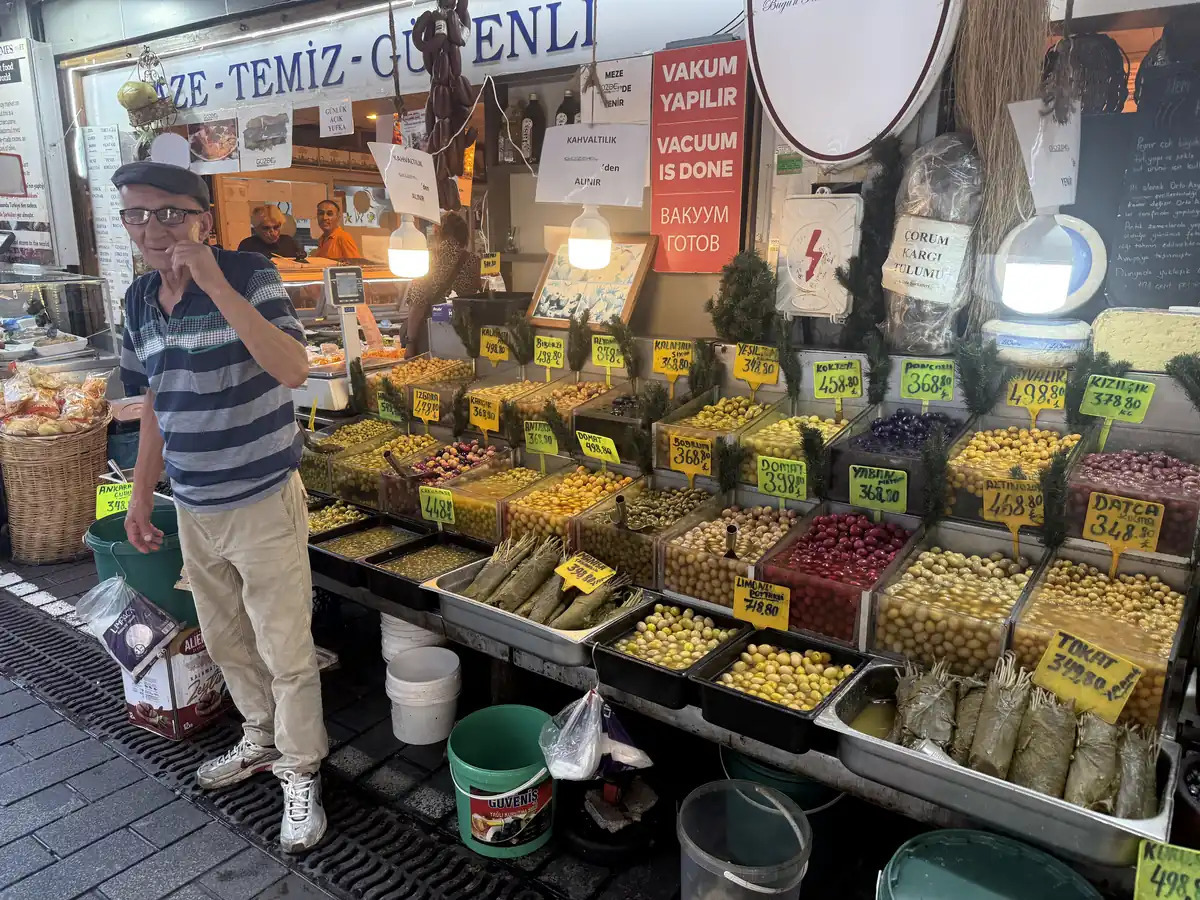
Turkish meze dishes at a glance
Save this for the table — or show it to your waiter.
| Meze | Turkish name | Type | Drink it with |
|---|---|---|---|
| Lakerda | Lakerda | Cured bonito · cold | Likya Işığı |
| Mütebbel | Mütebbel | Eggplant purée · cold | Fumé Blanc |
| Fava | Fava | Broad bean purée · cold | Dişi Mercan |
| Hummus | Humus / pastırmalı humus | Chickpea purée · cold or warm | Çalkarası · Öküzgözü with pastırma |
| Çiroz | Çiroz salatası | Dried mackerel · cold | Sauvignon Blanc |
| Beetroot & goat cheese | Zuzu / panzuzu | Vegetable · cold | Patkara |
| Zucchini carpaccio | Kabak carpaccio | Vegetable · cold | Solaris |
| Olive-oil artichoke | Zeytinyağlı enginar | Vegetable · cold | Sauvignon Gris |
| Atom | Atom | Yogurt & peppers · hot butter | Boğazkere |
| Muhammara | Muhammara / acuka | Pepper-walnut spread · cold | Papaskarası |
| Neck of lamb | Kuzu gerdan | Meat · hot | Barrel-aged Öküzgözü–Boğazkere |
| Tarhana katığı | Tarhana katığı | Fermented · hot or cold | Knidos Karası · Kösetevek |
| Shrimp casserole | Karides güveç | Seafood · hot | Sparkling Emir |
| Circassian chicken | Çerkez tavuğu | Poultry · cold | Emir |
| Chard with yogurt | Yoğurtlu pazı kavurma | Vegetable · warm | Karalahna |
Small plates, long evenings
Tips for the ideal Turkish meze experience
Maintain balance
Curate a table that balances cooling yogurt and purée dishes (mütebbel, fava), cured seafood (lakerda, çiroz), warm meat or seafood plates (neck of lamb, shrimp casserole) and fresh vegetables (artichoke, zucchini carpaccio, chard). Four to six plates for two people is plenty.
Travel through the glass
Rather than staying anchored to a single bottle, journey from crisp whites (lakerda, artichokes) to rosés and light reds (spreads, poultry), and close with structured reds for braised lamb and spiced mezes. By the glass, this costs no more than a bottle.
Order in waves
Cold meze first, hot meze second — and only then decide whether you need a main course. In a meyhane, many tables never get that far, and nobody minds. Bread is a utensil here, not a course.
Follow the season
Artichokes in spring, lakerda after the autumn bonito run, chard and beetroot through winter. A good kitchen changes its meze list with the market — if everything is available all year, ask why.
The pairings above, on one table, every evening
In a quiet courtyard in Moda, Kadıköy, we serve small plates drawn from Anatolia's meze heritage — named for the Hittites who first worked these lands — beside 500+ Turkish wines from 85 native grapes, every one by the glass or in ⅓-glass tasting pours.
Every plate on our list carries the kind of pairing note you have just read. Ask for it, and taste the meze and its wine side by side — in English, with a sommelier at the table.
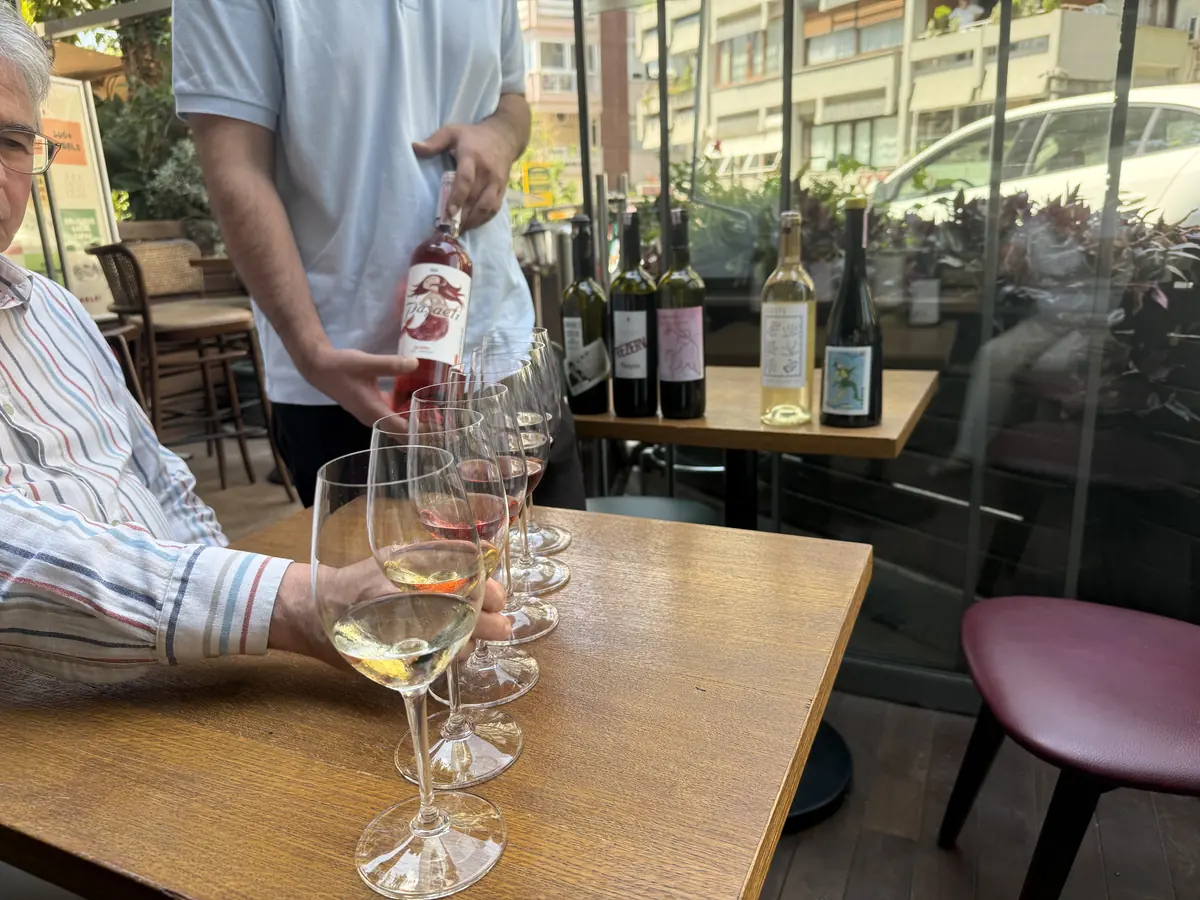
That is how Cenap puts it, and it is why this guide gives every dish a pairing. If you want the wine side of the story in full — the grapes, the regions, the 7,000 years — it is in our guide to Turkish wine and our native grapes guide. Bring your appetite to the courtyard; we will bring the glasses.
Getting there tonight
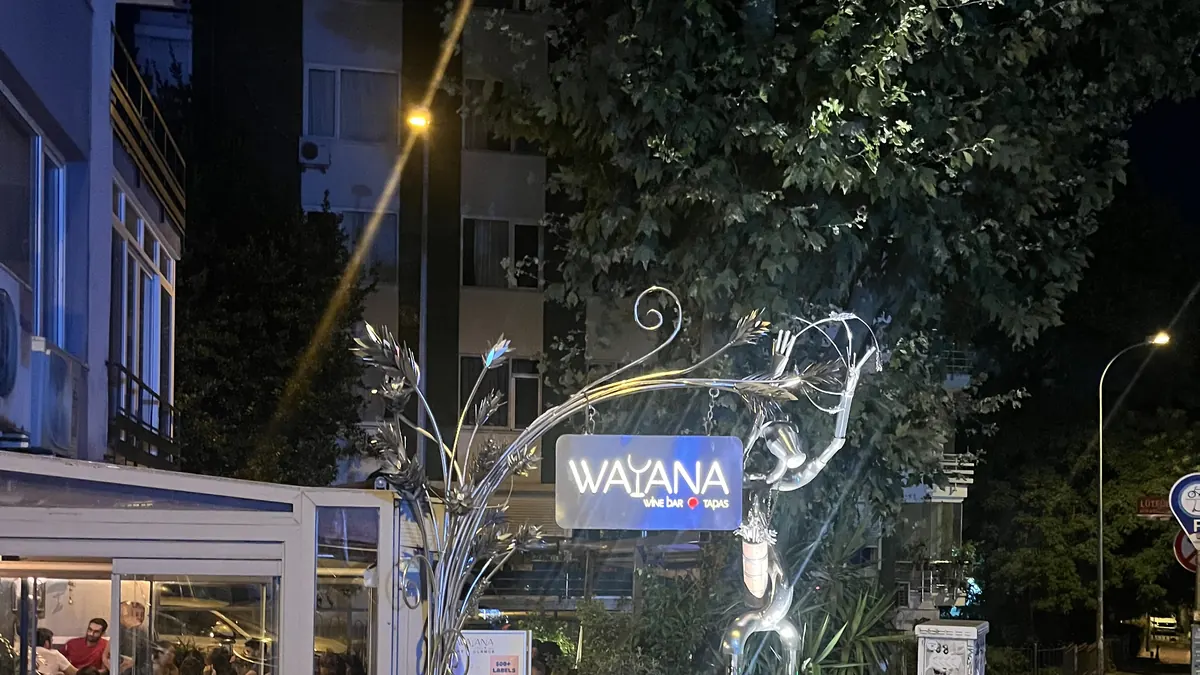
WAYANA sits in Caferağa, Moda — about a 10‑minute walk uphill from the Kadıköy ferry pier. Ferries on the Kadıköy line run from Karaköy and Eminönü roughly every 20 minutes until around 01:00 (check the evening timetable), and the Marmaray rail line crosses under the Bosphorus until around midnight on weekdays, later on Friday and Saturday nights. Pick your meze on the ferry, then walk up for the wine.
Questions travellers ask about Turkish meze
Meze (from the Persian maza, "taste") are small plates served to accompany drinks and conversation at the start of a Turkish meal — or as the whole meal. They range from cold purées such as mütebbel, fava and hummus to olive-oil vegetables, cured fish like lakerda and çiroz, and hot plates such as shrimp casserole and braised lamb neck. Everything is shared from the middle of the table.
Neither exclusively. Meze is a shared culinary heritage of the Eastern Mediterranean: Turkish, Greek, Levantine, Balkan and Persian tables all have it, with overlapping dishes and local specialities. The Turkish meze table is distinguished by the meyhane rakı ritual, the Aegean olive-oil vegetable tradition and Istanbul's cured-fish culture — and, increasingly, by pairing meze with wines from Anatolia's native grapes.
Among the most ordered: garlic yogurt dips such as haydari and atom, mütebbel (smoky eggplant), fava, hummus, muhammara (acuka), stuffed vine leaves, olive-oil artichoke, lakerda, çiroz, Circassian chicken, and hot plates such as shrimp casserole and neck of lamb. The 15 dishes above cover the classics, each with a wine pairing.
Both are small plates shared with a drink. Tapas belong to the Spanish bar and are often eaten standing, quickly, one or two at a time; meze belong to a seated, unhurried table where many plates arrive together and the meal can last hours. At WAYANA we borrow the tapas word for our Hittite-named plates, but we serve them in the meze spirit — slowly, with the wine.
It can be either. In a meyhane, cold meze open the evening, hot meze follow, and a grilled fish or meat main is optional — many tables never get that far. At a wine bar, a selection of four to six meze with a flight of wines is a complete evening for two.
Traditionally rakı, the anise spirit, with cold meze and fish. Increasingly, wine: crisp whites (Emir, Narince, Sauvignon Blanc) with cured fish and olive-oil vegetables, rosé and light reds (Çalkarası, Kalecik Karası, Papaskarası) with spreads and poultry, and structured reds (Öküzgözü, Boğazkere) with lamb and spiced plates. Every dish in this guide carries a specific pairing.
In Turkish it is meze, pronounced "MEH-zeh", used for both singular and plural (mezeler is the Turkish plural). "Mezze" with a double z is the usual spelling for the Levantine and Arabic table, and "mezedes" is the Greek plural. All describe the same idea: small plates to share with a drink.
Cenap Kuzuoğlu is the founder and sommelier of WAYANA Wine Bar in Moda, Kadıköy — a Turkish-only wine list of 500+ wines from 156 producers, spanning 85 of the country's 90 native grapes, every one poured by the glass. Guests explore Türkiye's winemaking geography plate by plate: every meze on his list has a pairing, and he has tested all of them personally. Repeatedly.