
Turkish Drinks: What to Drink in Turkey, from Çay to Öküzgözü
Wondering what to drink in Turkey? Start with ruby-red çay in a tulip glass, move to a frothy Turkish coffee, cool down with salted ayran, and end the evening with anise-scented rakı — or, if you ask us, a glass of wine from one of Anatolia's 90 native grapes. This guide covers every Turkish drink worth ordering, how it is served, and what to eat with it.
 Written by Cenap Kuzuoğlu, founder & sommelier at WAYANA in Moda, Kadıköy — 500+ Turkish wines, all by the glass.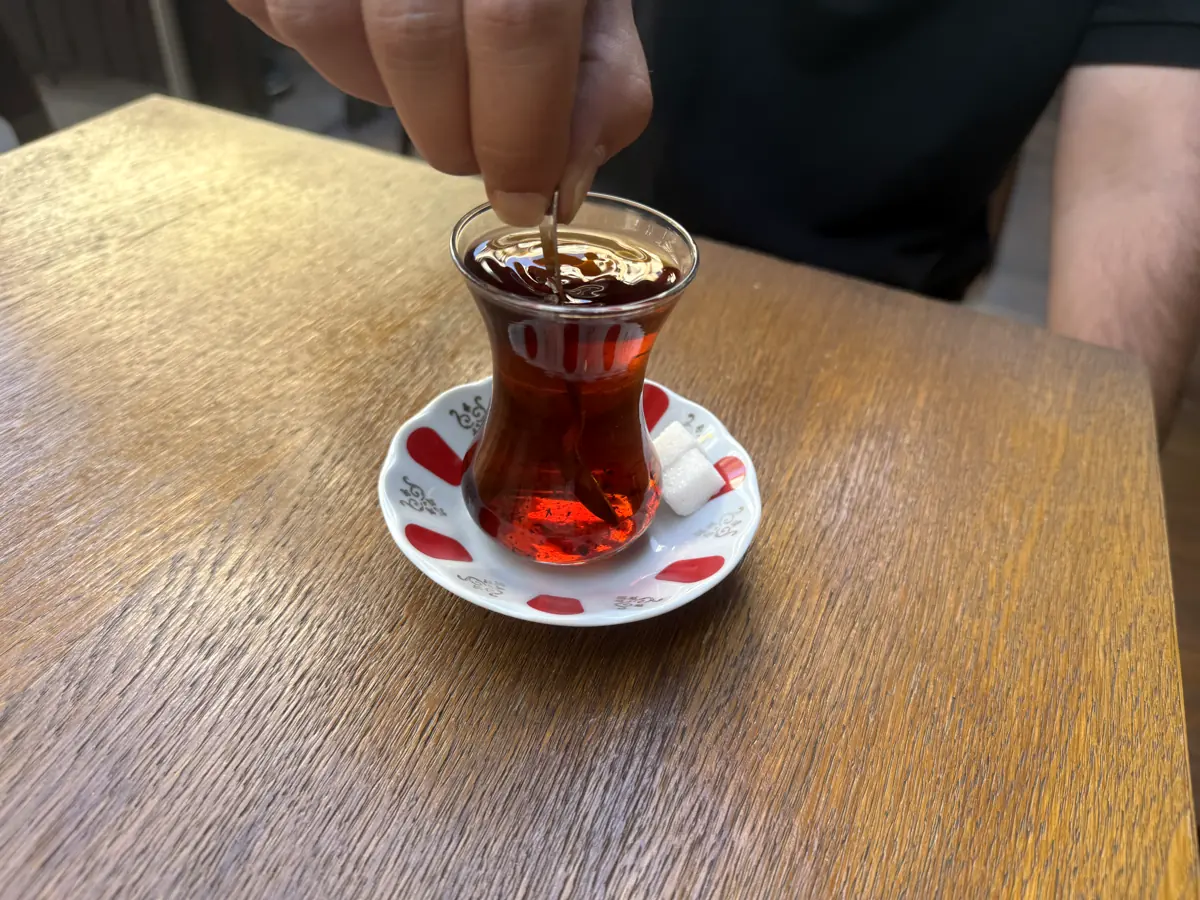
What is Turkey's national drink?
Seeing Turkish drinks merely as something to quench your thirst would make you miss the entire picture. Daily life in Turkey is built upon closely woven relationships, rooted in neighbourhood culture and deep-seated hospitality. The different drinks — usually shared in the so-called third places, the tea gardens, coffeehouses and taverns between home and work — are the catalyst that makes this social life flow so effortlessly.
The day begins with freshly brewed, ruby-red Black Sea tea sipped from a tulip-shaped glass. It transitions into a frothy cup of Turkish coffee by mid-day, opens up to a glass of regional wine paired with local cheeses as the evening sets in, and often concludes around a lively table with anise-scented rakı and small plates of meze to share.
So, does Turkey have a single national drink? Honestly, no. There is a drink for almost every hour, meal, season and occasion. Rather than one national drink, it is far more accurate to speak of a national relay team — five beverages that pass the baton throughout the day:
Turkish tea (çay)
Turkey leads the world in per-capita tea consumption. Offered before any conversation begins.
Turkish coffee
Inscribed on UNESCO's Intangible Cultural Heritage list — a 500-year-old ritual in a small cup.
Ayran
The salted yogurt drink that crowns every street-food and kebab feast.
Rakı
The anise-flavoured spirit of slow, hours-long conversations at the meyhane.
Wine
Anatolia's millennia-old vine tradition — home to more than 1,450 native grape varieties.
From a 400-year-old fermented grape elixir to vibrant pickle juices, and from tavern rituals to wines crafted from indigenous grapes, here is your definitive guide to what to drink in Turkey — with a sommelier's pairing note for every glass, because in this country a drink is never really served alone.
Non-alcoholic Turkish drinks: heritage in a cup
Eight traditional drinks you will meet on the street, on the ferry and at the table — most of them older than the Republic itself.
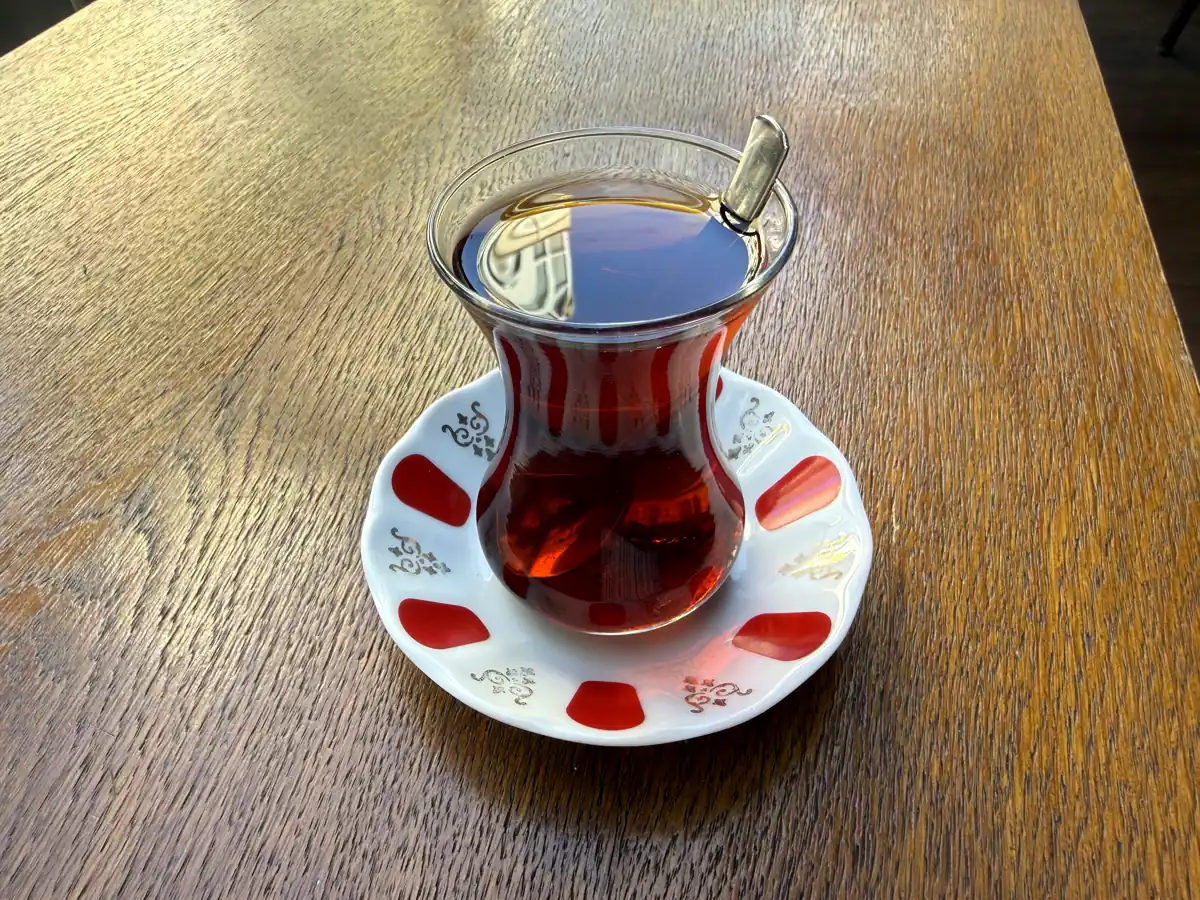
Turkish tea (çay): the tulip-shaped symbol of hospitality
While almost everything in Anatolia traces back thousands of years, tea has a history of barely a century in Turkey — yet it has conquered the very top spot of daily life. Turkish tea culture was recognised by UNESCO in 2022 as a symbol of identity, hospitality and social interaction.
How it's served: clear and ruby-red — tavşankanı, "hare's blood" — in a handleless, tulip-shaped glass, with sugar cubes on the side if you ask. Milk is never added to traditional Turkish tea. Ask for it açık (light) or koyu (strong).
Good to know: a glass of tea is the first thing offered when you enter a shop, an office or a home. Accepting it is the universal conversation starter in Turkey.
Turkish coffee: a 500-year-old conversation and fortune-telling ritual
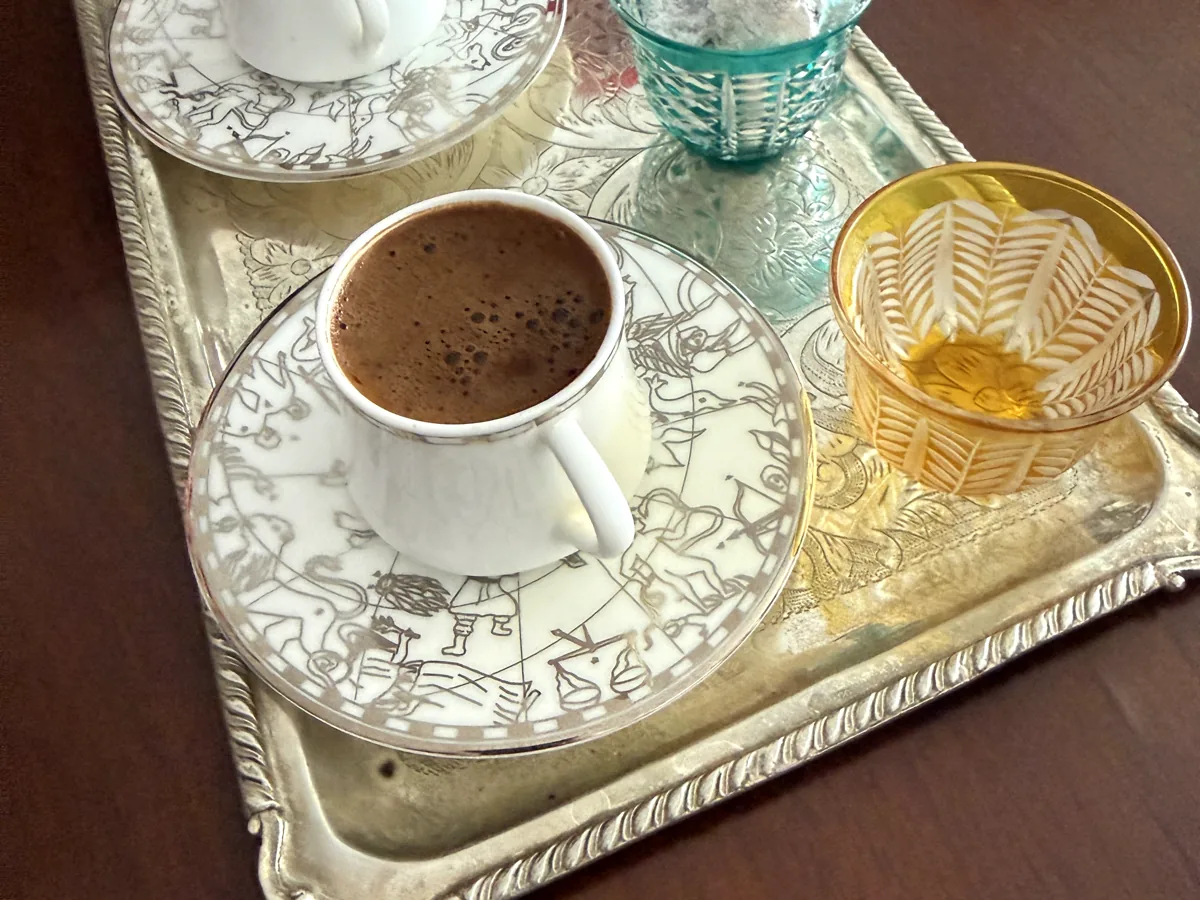
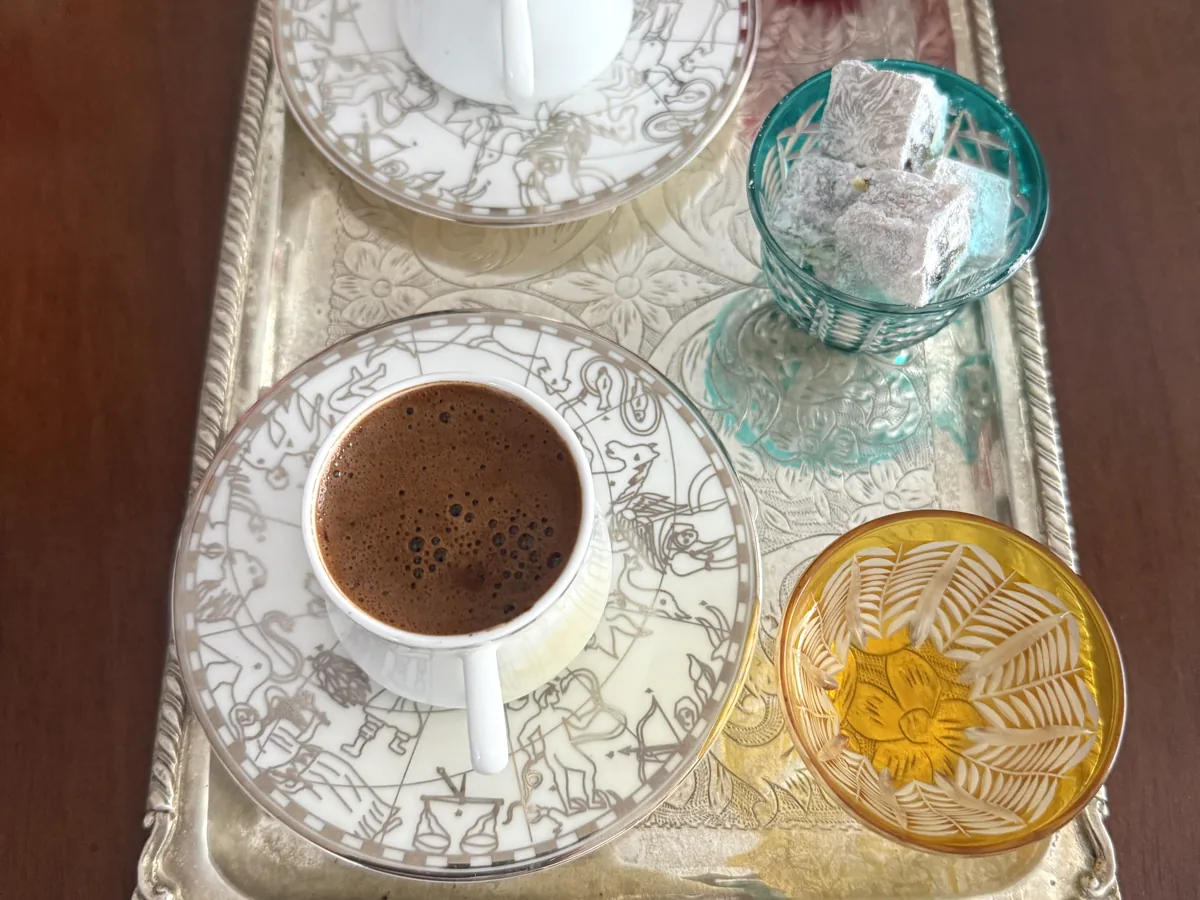
Made from extra-finely ground Arabica beans simmered slowly with cold water — and sugar, if desired — in a small copper pot called a cezve until a rich foam forms on top. UNESCO inscribed Turkish coffee culture and tradition on its heritage list in 2013.
How to order: sweetness is decided before brewing — sade (no sugar), az şekerli (a touch), orta (medium) or şekerli (sweet).
How to drink: it arrives with a small glass of water (to cleanse the palate first) and a piece of Turkish delight, or occasionally a small chocolate. The fine grounds settle at the bottom and are never drunk. Once finished, the cup is often inverted onto its saucer, and the cooled rivulets between the grounds are read for fortune-telling.
Hardaliye: Thrace's 400-year-old grape elixir
Indigenous to the vineyards of Thrace, hardaliye is prepared by combining freshly pressed grape must with sour-cherry leaves and crushed black mustard seeds in oak barrels. The mustard halts fermentation without destroying the beneficial nutrients, leaving a deep ruby, lightly spicy, non-alcoholic drink that keeps all of the grape's natural tannins, sugars and antioxidants.
Recorded centuries ago in the travelogues of the Ottoman explorer Evliya Çelebi, hardaliye was personally championed by Mustafa Kemal Atatürk, who urged that it be preserved as a traditional beverage. Look for it in Kırklareli and the Thracian wine towns.
Sherbets, hoşaf and lohusa şerbeti
Ottoman şerbet: born in imperial palaces and adopted by street vendors, these cold drinks are made by simmering fruit, flowers (rose, hibiscus, tamarind) and spices (cinnamon, cloves), and are prized for their digestive, refreshing qualities. Hoşaf — from the Persian khosh-âb, "pleasant water" — gently stews dried apricots, raisins or prunes in lightly sweetened water and is served chilled beside pilaf and börek as a palate cleanser. Lohusa şerbeti, a vibrant red drink of rock sugar, cloves, cinnamon, ginger and allspice, is traditionally offered to new mothers and to guests visiting the newborn, garnished with crushed walnuts.
Ayran: the ultimate savoury refresher
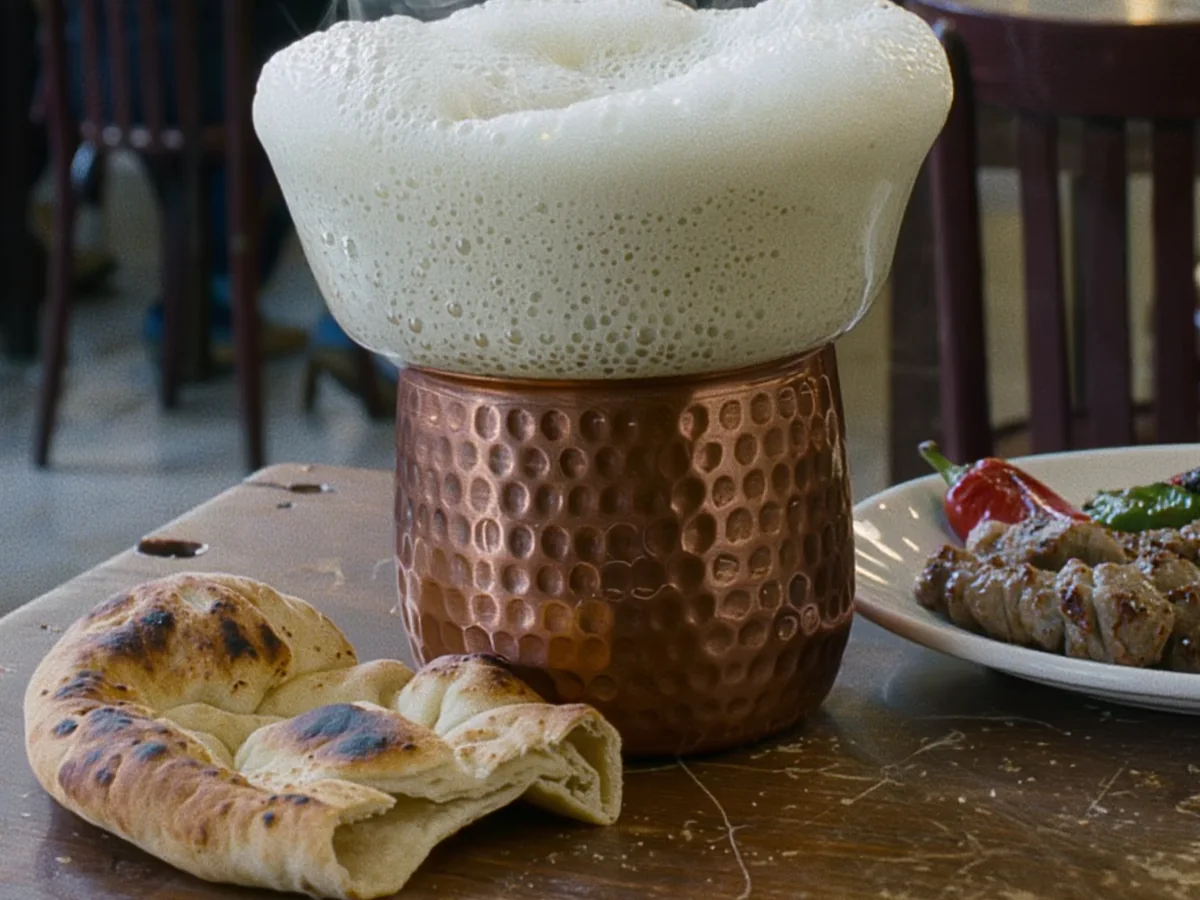
Ayran is made by whisking fresh yogurt, cold water and a pinch of salt. It is the natural companion to grilled meats, kebabs and warm flatbread (pide). The rustic yayık ayranı — churned in wooden barrels — is famous for its thick, velvety foam and is worth seeking out in kebab houses and on the road across Anatolia.
It has even been publicly championed as Turkey's national drink, which tells you how deep the affection runs. On a hot day it does what no soda can: it cools, it salts and it settles a rich meal.
Şalgam suyu: the purple elixir of Çukurova
A fermented, savoury juice made from purple carrots, turnips, cracked bulgur wheat and salt. Native to Adana and the southern Çukurova plains, it is tangy, salty and probiotic-rich, and comes spicy (acılı) or mild (acısız). Locals drink it alongside kebab — and, at rakı tables, as a chaser between sips for the curious.
Pickle juice (turşu suyu): a sharp street tradition
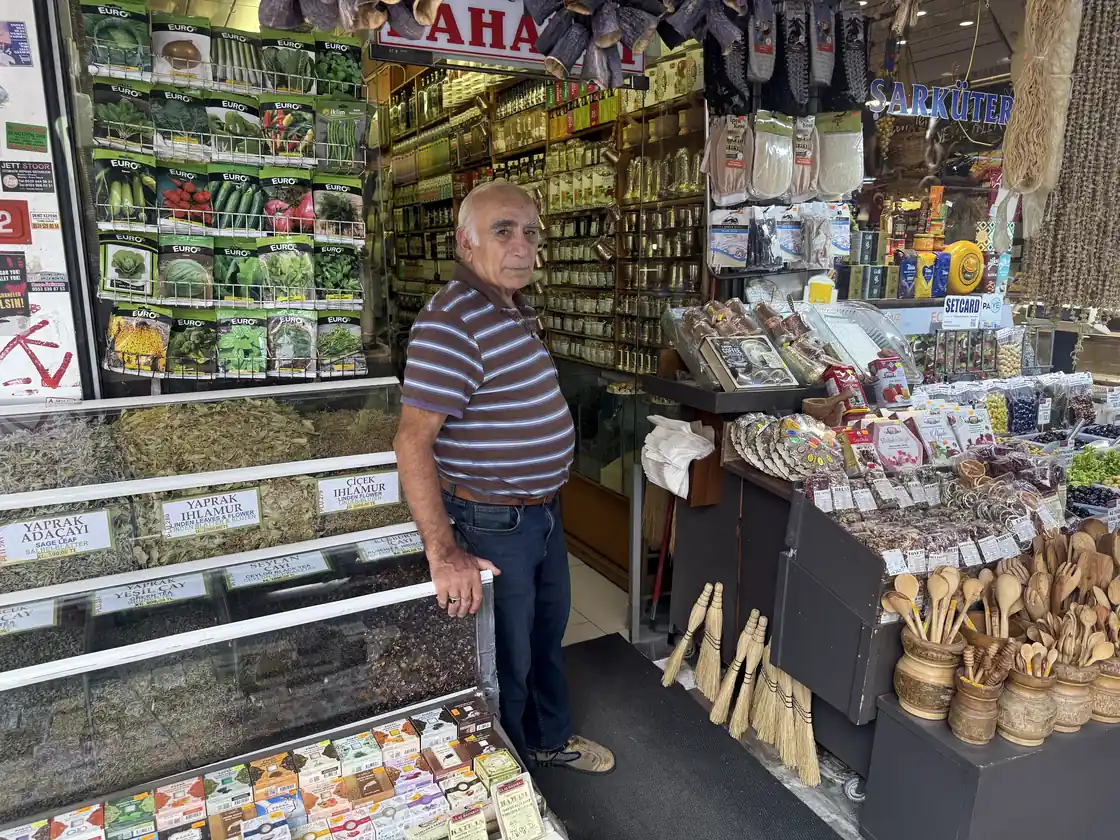
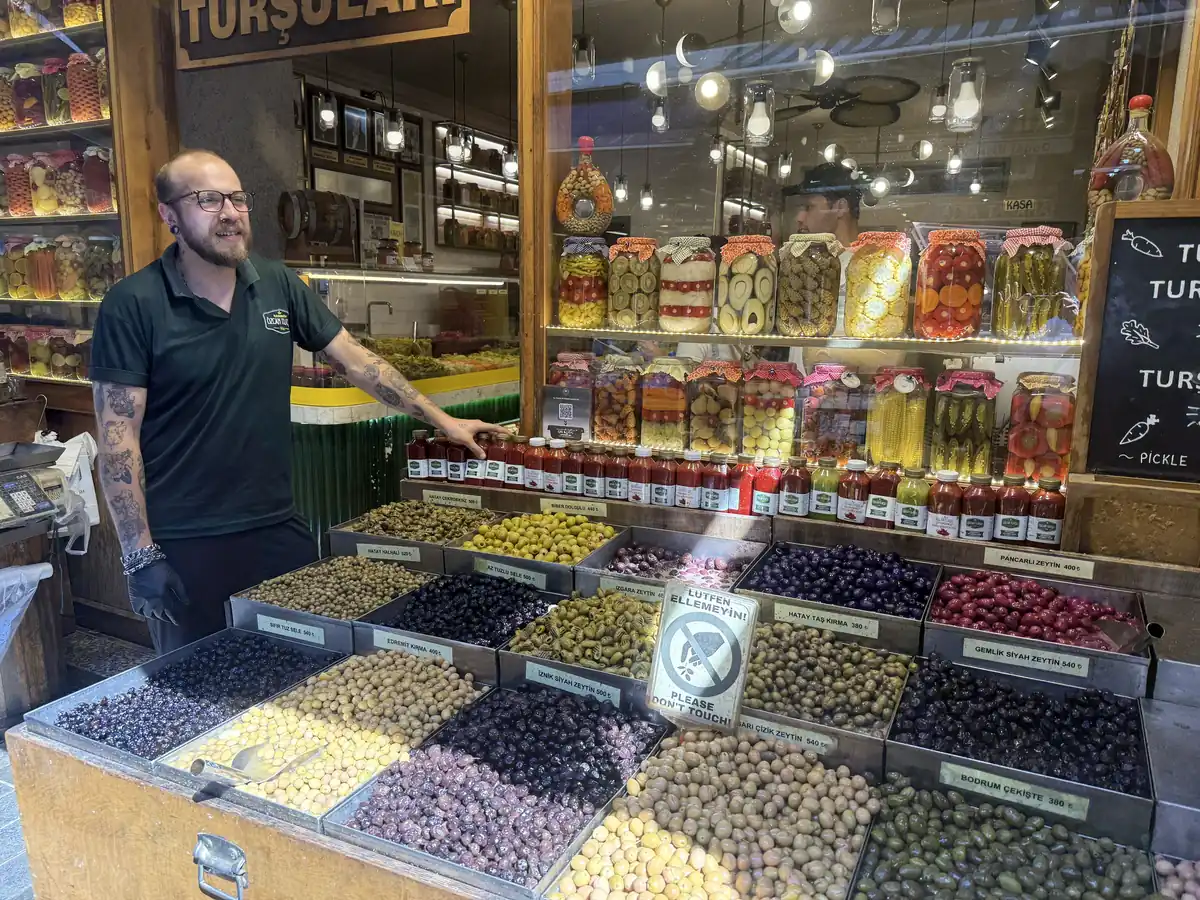
In Turkey, pickling extends far beyond cucumbers. At historic street vendors — and in the pickle shops of Kadıköy Market on the Asian side — you will find vibrant jars of pickled cabbage, okra, green plums, beans and unripe tomatoes. Ordering a glass of tangy, chilled pickle juice, spicy or mild, is an authentic local ritual.
Boza & sahlep: nostalgic winter comforts
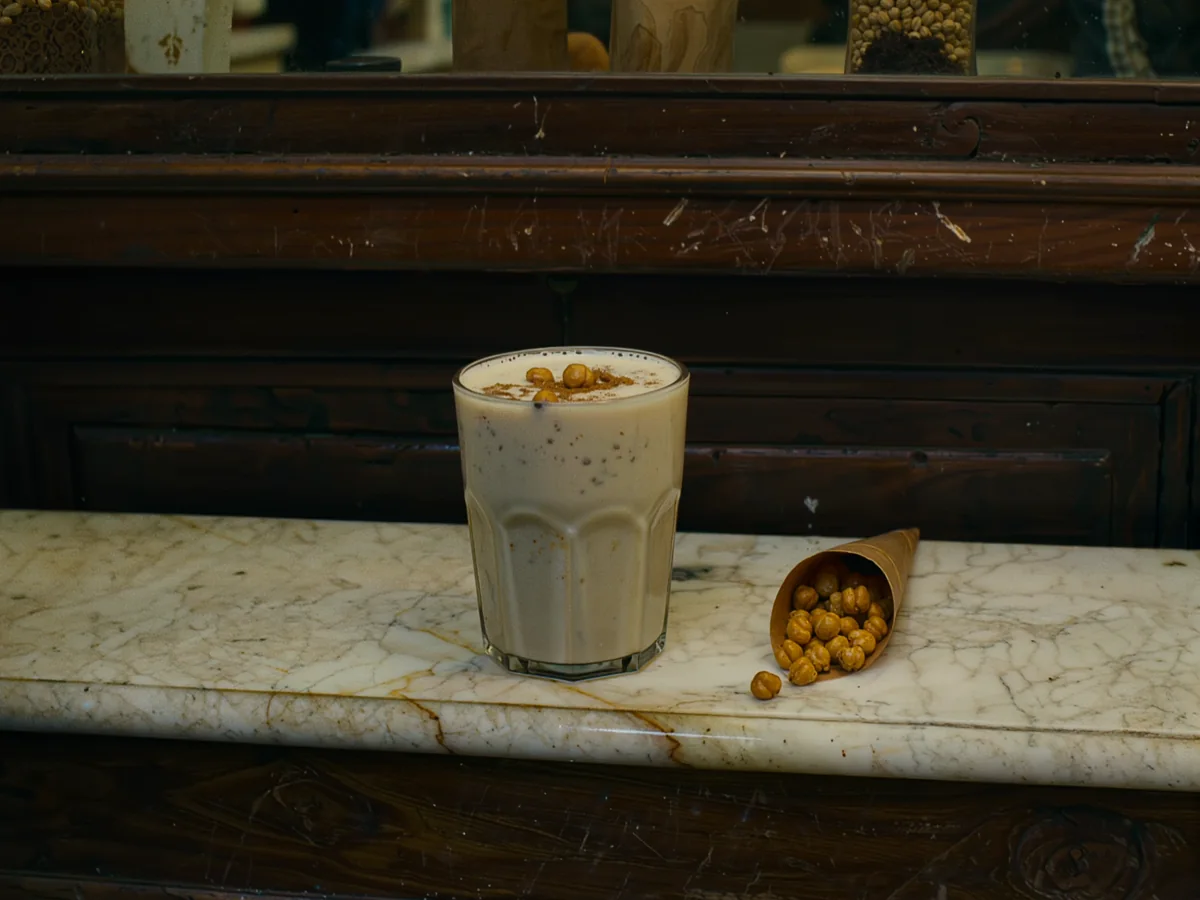
Boza is a thick, naturally fermented winter beverage made from millet, corn or wheat, with a distinctive sweet-and-sour profile. It is served dusted with cinnamon and topped with crunchy roasted chickpeas — and most of the boza you will encounter in Istanbul drifts towards the sweeter side. The old boza shops of Vefa are a winter pilgrimage.
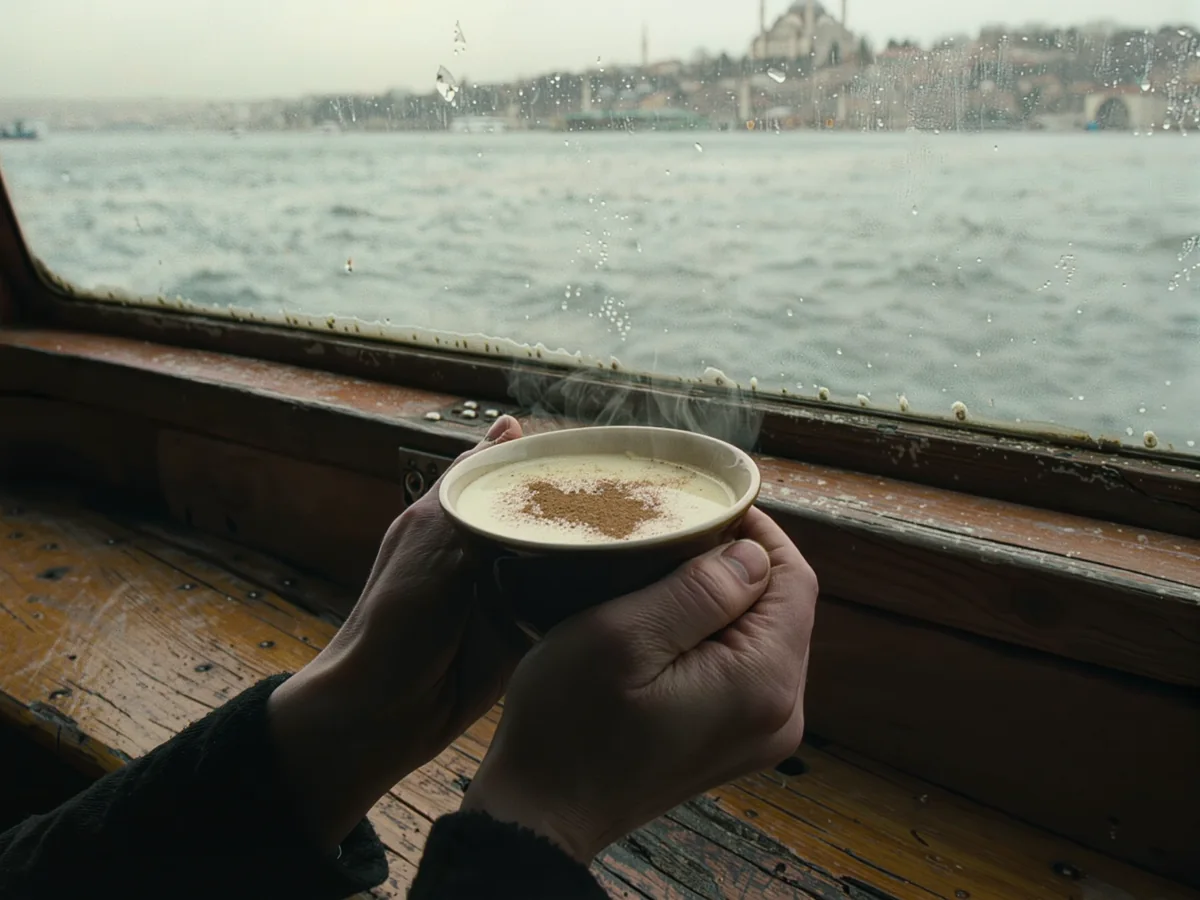
Sahlep is a creamy, steaming winter classic prepared from wild orchid-root powder boiled with whole milk and finished with ground cinnamon. A nicely prepared sahlep on a winter-time ferry across the Bosphorus alters the entire experience.
A country that drinks with its history
Alcoholic drinks in Turkey: the tavern ritual and ancient terroirs
Alcohol is legal, widely available in licensed restaurants, bars and shops, and woven into a tavern culture that is centuries old. Three things to know: rakı, beer and — the part every other list skips — wine.
Turkish rakı: lion's milk and the meyhane
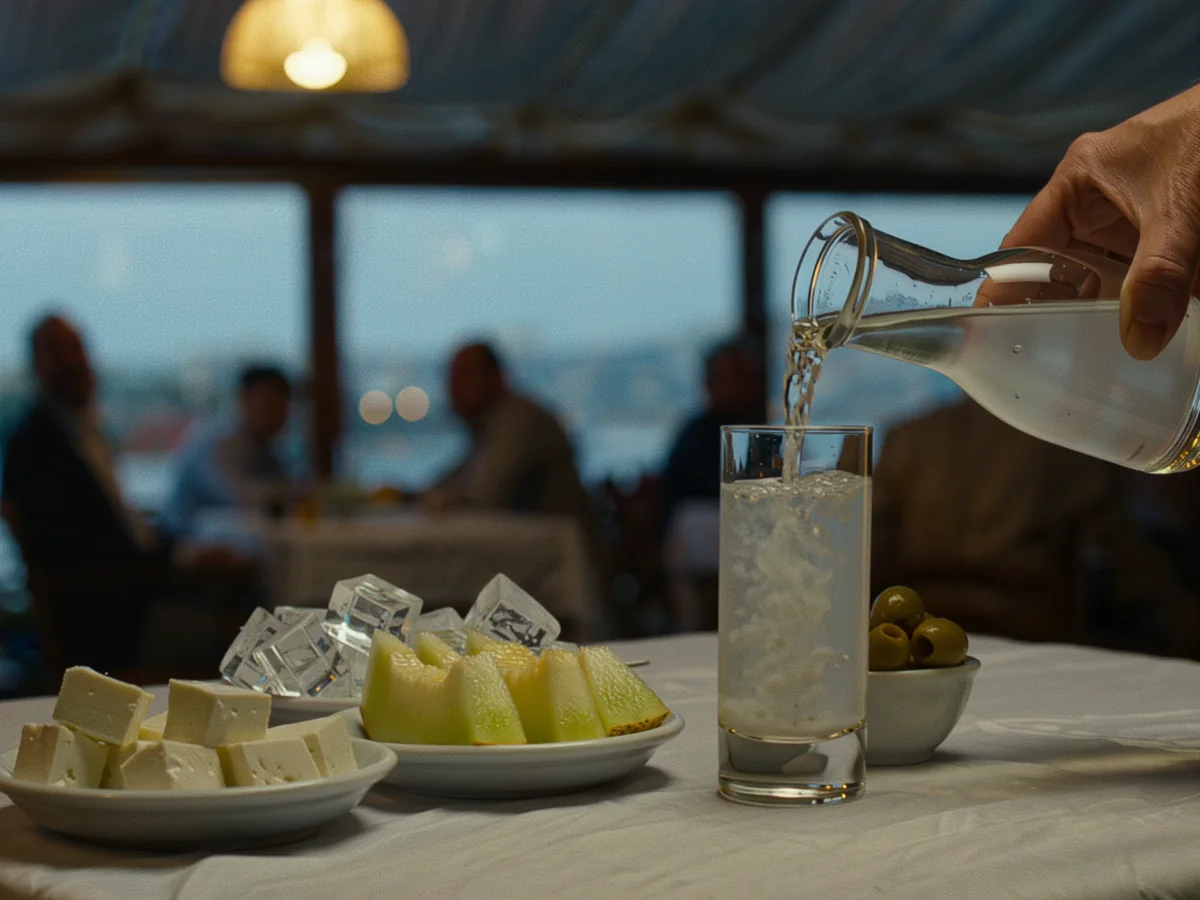
Anise-flavoured and clear, rakı is twice-distilled in traditional copper alembics from grape spirit (suma). With an ABV of 40–45%, it is the cornerstone of Turkish tavern — meyhane — culture, and the drink most foreigners have in mind when they ask about Turkish alcohol.
The table: rakı is meant for slow, hours-long dining. It is enjoyed alongside aged white cheese, sweet melon, cold and hot meze and fresh fish, always centred around heartfelt conversation. With its strength and its assertive anise, rakı is notoriously difficult to pair with food — yet for us it is easy, because in the meyhane it is not really about the pairing. It is the social lubricant; it is about the conversations it enables.
Rakı is an acquired taste. When you are in Turkey, it is best tried with a local who can tell you what it means — ideally on one of the long meyhane evenings that define Istanbul at night.
Pour the rakı first
Two fingers in a tall, narrow glass — the kadeh. Never fill it.
Add cold water second
The anise oils louche into a milky-white cloud — hence the nickname aslan sütü, "lion's milk".
Finish with ice
Ice goes in last, never first, or the anise crystallises. Then say şerefe — to honour.
Turkey's beer scene: from state monopoly to craft
Commercial beer production in Turkey was started by the state monopoly and became one of the early examples of deregulation when private enterprises entered brewing in the 1950s, followed by international brands. The most important shift began in the 2000s, shortly after boutique wineries started their production: craft brewers appeared, in much more limited capacities, and the trend keeps growing — even the large producers now make craft batches, and new breweries keep opening their doors, several of them around Kadıköy. By volume, beer is the alcoholic drink Turkey consumes most; by ritual, it will never outrank rakı.
Anatolian wines: Turkey's 8,000-year-old hidden treasure
Turkish wines are often the biggest revelation for international travellers. Anatolia belongs to one of the world's oldest landscapes of vine cultivation, with a history stretching back thousands of years. Today more than 1,450 native grapevine varieties are preserved in the country, and around 90 indigenous grapes are vinified commercially — a number that continues to grow.
Every list of Turkish drinks gives wine a single paragraph. We give it eight grapes — because after two decades of tasting them we are convinced this is where Turkey rewards the curious traveller most. We wrote the full story in our guide to Turkish wine and profiled the varieties in our native grapes guide; here is the short version, with what to drink each one with.
Narince
Yields both crisp, fresh wines and complex oak-aged expressions, with citrus and pear aromas. Its leaves are also the ones used for stuffed vine leaves — a grape that feeds the table twice.
Emir
High natural acidity and green-apple notes; makes mineral whites and traditional-method sparkling wines. A crisp Emir is equally enjoyable on its own.
Bornova Misketi
Bursts with floral, bergamot and orange-blossom notes in dry styles. Also made off-dry and sweet, though the vast majority you will find in Turkey are aromatic dry whites.
Mazrona
Thrives in a harsh continental climate, giving medium-bodied, golden-hued whites with distinctive dried-fruit notes. Comes into its own at the table.
Çalkarası
Remarkably versatile: vibrant dry rosés, sparkling wines and light reds with crisp forest-berry acidity. The sunset-on-the-terrace grape.
Kalecik Karası
Central Anatolia's most elegant red, often called "Turkey's Pinot Noir": soft tannins and aromas of wild strawberry, raspberry and subtle spice.
Öküzgözü
Named "bull's eye" for its large dark berries: bright ruby wines with medium-plus acidity, velvety tannins and juicy pomegranate, plum and sour-cherry notes. The most approachable Turkish red for a first glass.
Boğazkere
"Throat-scratcher" lives up to its name: assertive, structured tannins, dark fruit and black-pepper nuances. Ages well, depending on how it is made.
Where to drink Turkish wine — and how
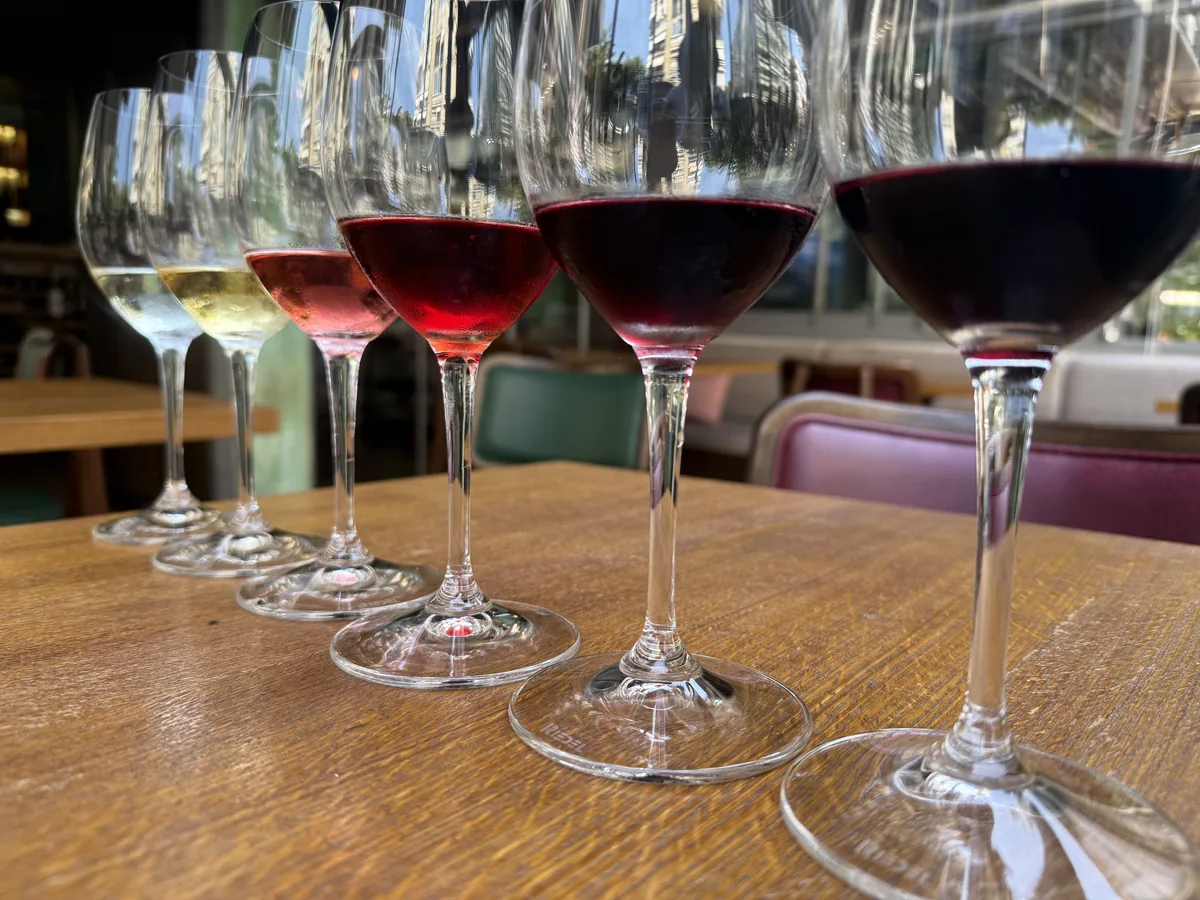
Most of these grapes are grown a day's drive from Istanbul, but you don't need to leave the city to taste them side by side. Seek out wine bars that pour by the glass rather than by the bottle: it is the only way to compare an Emir from Cappadocia with a Narince from Tokat in a single evening without opening eight bottles. Ask for a flight, taste from white to red, and keep the wine night and the rakı night on separate evenings — each deserves its own rhythm.
If you want the pairing side of the story in depth — which native grape with which meze — that is exactly what we do every evening in the courtyard in Moda, and what our guide to Turkish meze will cover dish by dish.
Insider tips for drinking like a local in Turkey
Never skip the water with coffee
Always take a sip of water before your Turkish coffee to awaken and clear your taste buds. The water is not an afterthought; it is the first step.
Choose ayran over soda
When indulging in street food or savoury pastries, bypass industrial sodas and opt for freshly churned, frothy ayran. It is cheaper, colder and made for the food.
Understand the rhythm of the table
Dedicated meyhane nights follow the rakı rhythm; wine evenings demand their own pairing journey. Keeping them on separate nights preserves the balance of your palate — and of your morning.
Taste by the glass
Seek out wine bars where you can sample Turkey's indigenous grapes side by side, by the glass. Eight grapes in one evening teaches you more than eight bottles over a year.
Eight grapes, one evening, all by the glass
This is the part of the Turkish drinks story we live every night. In a quiet courtyard in Moda, Kadıköy, we pour 500+ Turkish wines from 85 native grapes — every one of them by the glass or in ⅓-glass tasting pours — alongside small plates inspired by Anatolia's meze heritage.
Come for a sommelier-guided flight from Emir to Boğazkere, in English, and leave knowing which Turkish wine to order for the rest of your trip.
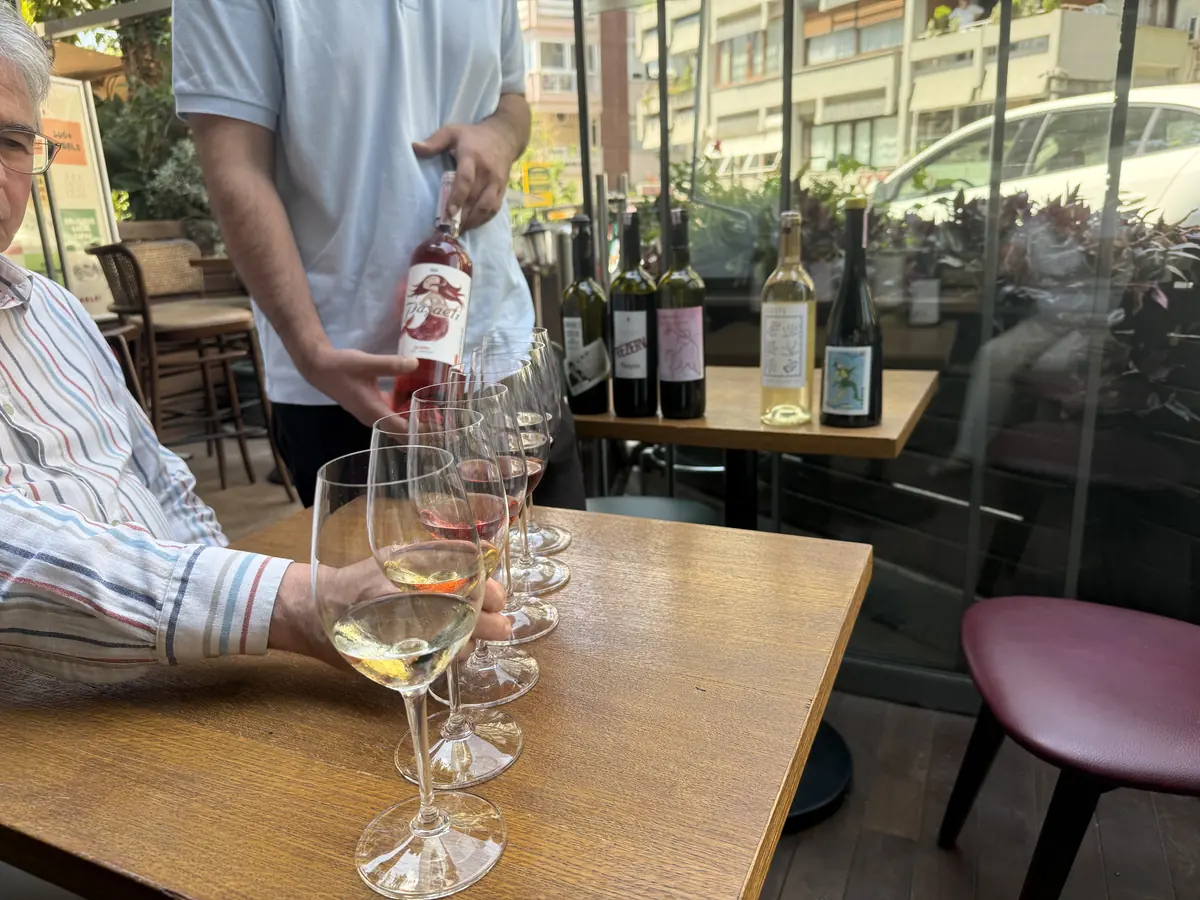
That is how Cenap describes it — and it is why the wine section of this guide is the longest. Turkish drinks are a relay, and the glass of wine is the leg most visitors never run. Fix that on your first evening in Istanbul.
Getting there tonight
WAYANA sits in Caferağa, Moda — about a 10‑minute walk uphill from the Kadıköy ferry pier. Ferries on the Kadıköy line run from Karaköy and Eminönü roughly every 20 minutes until around 01:00 (check the evening timetable), and the Marmaray rail line crosses under the Bosphorus until around midnight on weekdays, later on Friday and Saturday nights. Have your tea on the ferry deck, then walk up for the wine.

Questions travellers ask about Turkish drinks
Turkey has no single official national drink. Tea (çay) is the most consumed drink by far and the everyday symbol of hospitality; rakı is the traditional spirit of the evening table; ayran is the classic refresher and has been publicly championed as the national drink; Turkish coffee carries the cultural heritage; and wine reflects Anatolia's millennia-old vine tradition. Locals would say the answer depends on the hour.
Unofficially, many people call it that. Rakı is the anise-flavoured grape spirit at the heart of meyhane (tavern) culture, drunk slowly with water, ice and meze. But Turkey drinks far more tea than rakı, and there has never been an official designation — so the honest answer is that rakı is the national drink of the evening table, not of the whole day.
Tea, without question. Turkey has the highest per-capita tea consumption in the world, and a glass of black tea in a tulip-shaped glass is offered in shops, offices and homes throughout the day. Among cold drinks, ayran is the everyday favourite; among alcoholic drinks, beer is consumed most by volume, while rakı remains the most iconic.
Yes. Alcohol is legal for adults aged 18 and over and is widely served in licensed restaurants, bars, meyhanes and wine bars, especially in Istanbul, the Aegean and the Mediterranean coast. Shops stop selling alcohol between 22:00 and 06:00, but licensed venues serve throughout the evening. Prices are high by regional standards because of taxation, which is one reason drinking by the glass is such good value.
A small glass of water, taken first to clear the palate, and a piece of Turkish delight (lokum) afterwards. Order the sweetness before brewing — sade (none), az şekerli (a little), orta (medium) or şekerli (sweet) — and leave the grounds at the bottom of the cup.
For a white, start with Narince from Tokat or Emir from Cappadocia — crisp, food-friendly and unlike anything you have tasted. For a red, Kalecik Karası (light, elegant) or Öküzgözü (juicy, velvety) are the most approachable of the native grapes. The best approach is a tasting flight by the glass, so you can compare several indigenous varieties in one evening.
Turkish tea is called çay (pronounced "chai"). It is black tea from the Black Sea province of Rize, brewed strong in a two-tier teapot (çaydanlık) and diluted to taste, then served clear and ruby-red in a small tulip-shaped glass on a saucer with sugar cubes on the side. Milk is never added. Ask for it açık (light) or koyu (strong).
Cenap Kuzuoğlu is the founder and sommelier of WAYANA Wine Bar in Moda, Kadıköy — a Turkish-only wine list of 500+ wines from 156 producers, spanning 85 of the country's 90 native grapes, every one poured by the glass. He drinks his tea koyu, his coffee sade, and his Öküzgözü slightly chilled.