
3 Days in Istanbul: The Perfect Itinerary, by a Local Sommelier
Three days in Istanbul is enough — if you spend them well. This itinerary gives you one day among the empires of the old city, one day on the Asian side where Istanbul actually lives, and one day of sea air on the Princes' Islands. And running through it all, a thread most guides miss entirely: Turkish wine.
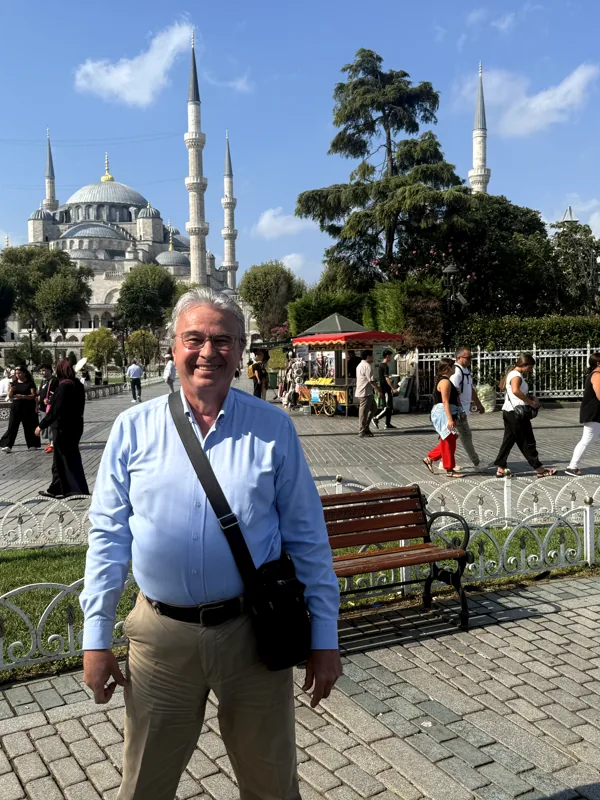 Written by Cenap Kuzuoğlu, founder & sommelier at WAYANA in Moda, Kadıköy — this is the three-day route he walks with his own guests.
Can you really discover Istanbul in three days?
No. But you can discover why people spend a lifetime trying. Even those who have lived in Istanbul all their lives would never claim to know every corner of their city. Every neighbourhood has its own rhythm, every street tells a different story, and every ferry ride offers a different scenery. Yet three days are enough to understand why millions of people leave Istanbul believing they have experienced something far greater than a city.
Most travel guides will tell you where to find the longest queues, the tallest domes and the most photographed landmarks. They'll take you from Hagia Sophia to the Blue Mosque, from Topkapı Palace to the Grand Bazaar, before ending the day on a Bosphorus cruise. There's nothing wrong with that — such places deserve every bit of their reputation.
But Istanbul has another side. It lives in neighbourhood markets before sunrise. In conversations that begin over tea and end over dinner. In the smell of freshly baked bread drifting through narrow streets. In the sound of ferry horns crossing from one continent to another. And sometimes, it tells its story through a single glass of wine.
This 3 day Istanbul itinerary is for travellers who want to experience the city rather than simply collect its landmarks. You won't find an attempt to squeeze twenty attractions into three exhausting days — if you've been searching for an Istanbul 3 day itinerary that leaves room to actually breathe, this is it. (Flexible on dates? Istanbul in October is the month this route shines brightest.) Instead, we'll slow the pace — because understanding Istanbul is not about seeing more. It's about seeing differently.
Your 3 day Istanbul itinerary at a glance
The perfect Istanbul 3 day itinerary: two continents, one unhurried route — and each day ends somewhere worth lingering.
Historic Istanbul
Walk through the heart of Byzantium and the Ottoman Empire: iconic landmarks, an underground cistern, the spice-scented lanes of the Egyptian Bazaar, and the layers of history that made Istanbul one of the world's greatest crossroads.
Kadıköy & Moda
Cross the Bosphorus to the Asian side and experience Istanbul as locals do: Kadıköy's lively market, artisan food shops, the elegant streets of Moda — and Turkey's extraordinary wine culture, glass by glass, at WAYANA.
The Princes' Islands
Leave the traffic behind for pine trees, Victorian-era mansions and sea breezes. Slow down, breathe deeply, and discover why the islands have remained Istanbul's favourite escape for generations.
Historic Istanbul: where two empires left their mark
Most visitors arrive with a checklist and leave exhausted, convinced they have “done” Istanbul. They haven't. So instead of trying to see everything — slow down. Walk. Look up. Listen.
A city that changed its name, but never its importance
Few cities have changed their name as often as Istanbul. Founded as Byzantion, it later became Constantinople, capital of first the Roman and then the Byzantine Empire. Following the Ottoman conquest in 1453, it gradually came to be known as Istanbul, the heart of another great empire, before continuing its story as Turkey's largest and most vibrant city.
The names changed. The rulers changed. The languages changed. But one thing never did: its place at the meeting point of continents, cultures and civilizations. Standing on the Historic Peninsula today, you are walking through layers of history that have accumulated over nearly three thousand years.
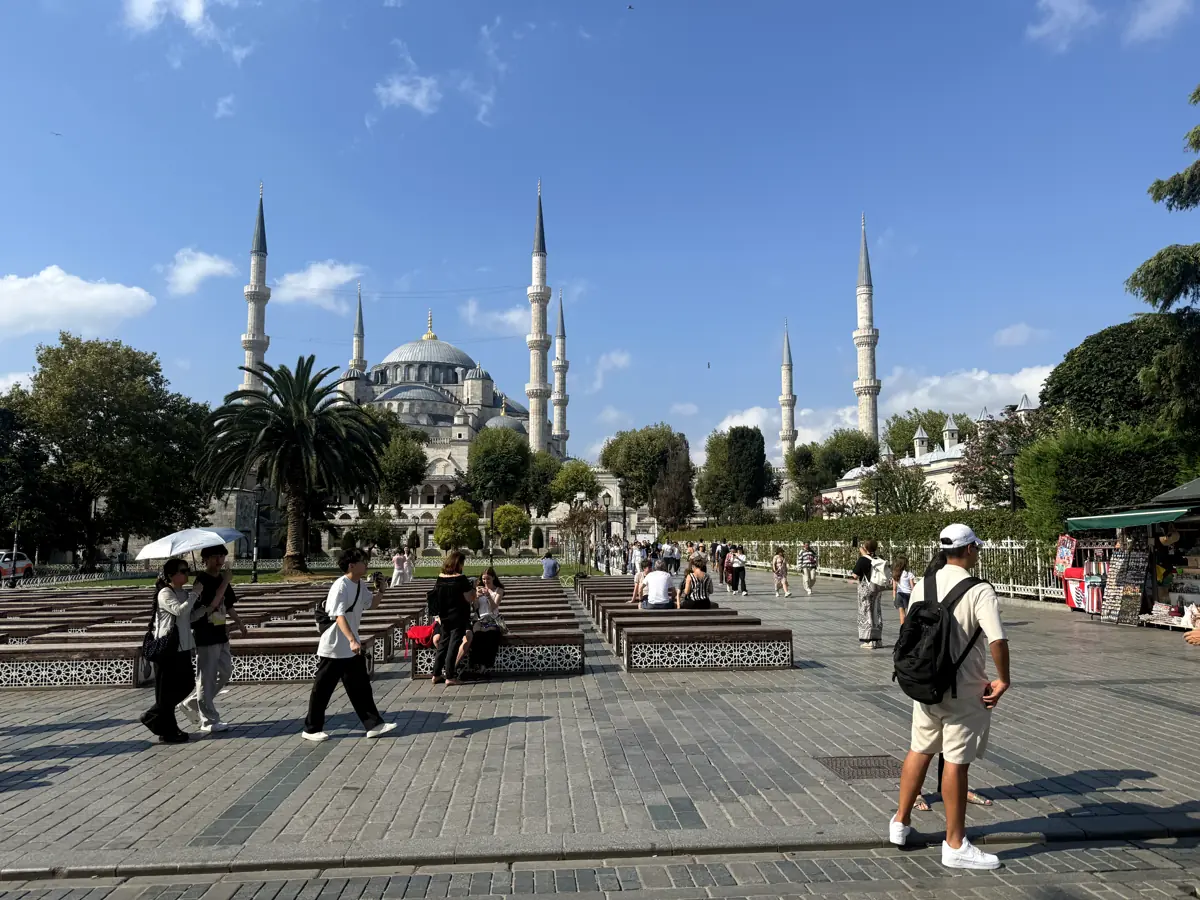
Morning: where empires still meet
It is tempting to think of Hagia Sophia, the Blue Mosque and Topkapı Palace as separate monuments. They are not. Together, they tell a single story. Within just a few hundred metres, you can walk through the political, religious and cultural heart of two of history's greatest empires.
Hagia Sophia reminds us of Byzantium's extraordinary ambition. Topkapı Palace reveals the power and sophistication of the Ottoman court. Between them, Sultanahmet Square quietly preserves the memory of the Hippodrome, where Roman emperors once celebrated victories before crowds of thousands.
Very few places in the world allow you to travel through so many centuries in such a short walk. Take your time — historic Istanbul rewards curiosity far more generously than speed.
The Hippodrome: a racetrack older than most empires
The long plaza stretching away from the Blue Mosque follows the exact outline of the ancient chariot-racing track. Three monuments still stand on its central spine: the Egyptian Obelisk of Theodosius, carved some 3,500 years ago at Karnak; the bronze Serpent Column, cast to celebrate a Greek victory over Persia and brought here from Delphi; and the rough-stone Walled Obelisk.
Stand beside them for a moment and consider what they have witnessed — imperial triumphs, riots, coronations and the slow transformation of a Roman circus into an Ottoman square. It is the closest thing Istanbul has to a time machine, and it is completely free.

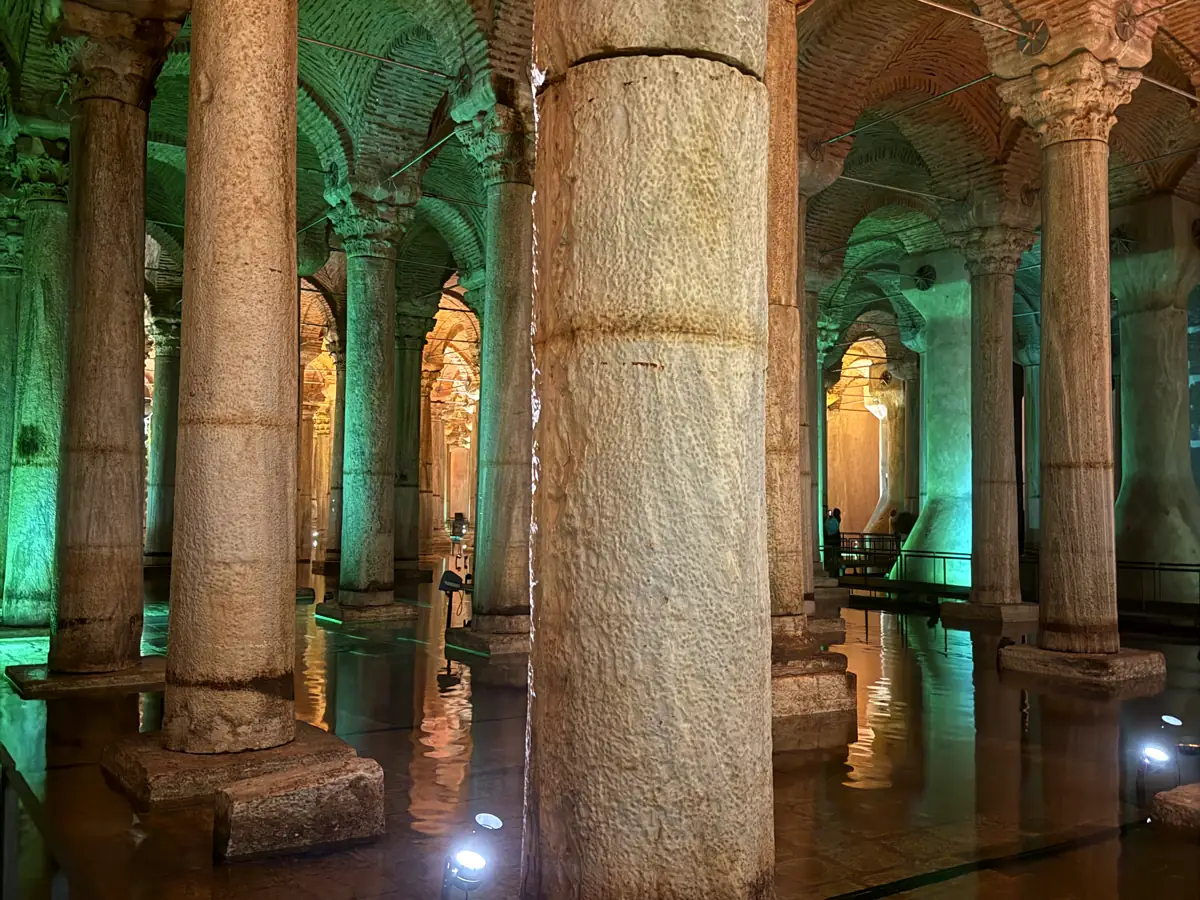
Midday: go underground
When the midday sun starts to press down on the square, do what the Byzantines did: go underground. The Basilica Cistern, a few minutes' walk from Hagia Sophia, is a sixth-century forest of 336 marble columns rising out of dark, still water.
Two of those columns rest on carved Medusa heads — one sideways, one upside down — recycled from an even older Roman temple, and nobody is entirely sure why. Cool, quiet and otherworldly, it is the perfect half-hour pause between the monuments above.
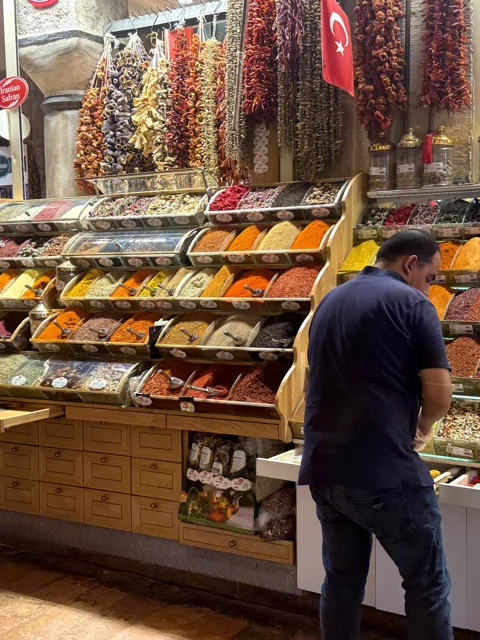
Afternoon: follow the fragrance of the spice route
By the afternoon, let history slowly give way to flavour. Walk downhill towards the Egyptian Bazaar, where the aromas of cinnamon, cumin, saffron, dried herbs and roasted coffee fill the narrow streets just as they have for centuries. Long before Istanbul became a destination for travellers, it was a destination for merchants.
Spices arrived from India. Silks from China. Coffee from Arabia. Ideas from every direction. Some remained, some continued their journey — and together they transformed Istanbul into one of history's greatest trading cities. Even today, every spice shop, every tea merchant and every small delicatessen carries a quiet reminder of that extraordinary past.


Before tomorrow…
Today, you've discovered the Istanbul of emperors. Tomorrow, you'll cross the Bosphorus to discover the Istanbul of everyday life — the city of neighbourhood markets, local cafés, artisan food shops and creative streets. And, perhaps, your first unforgettable encounter with the wines of Turkey.
Kadıköy & Moda: where Istanbul lives
Yesterday, you walked through the Istanbul of emperors. Today, leave the palaces behind and cross the Bosphorus. The journey takes barely twenty minutes by ferry — yet it feels like travelling between two different cities.
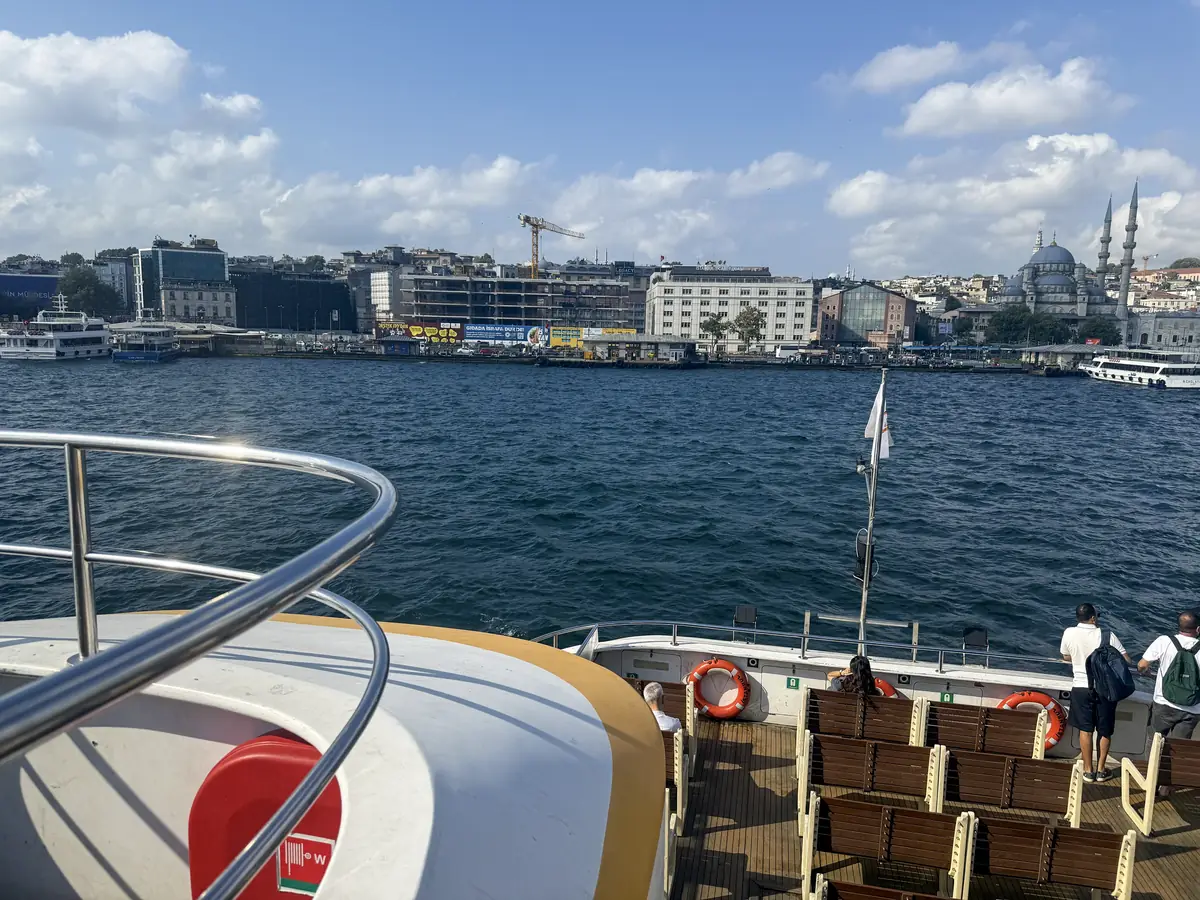
Morning: the ferry to another continent
Boats leave every 15–20 minutes from Eminönü, Karaköy and Beşiktaş, and the crossing to Kadıköy costs no more than an ordinary transit fare. Stand on the open deck if you can. Watch the skyline slowly recede behind you. Buy a simit from one of the vendors and join a tradition generations have shared: feeding the seagulls that dance beside the ferry all the way across the strait.
By the time you arrive in Kadıköy, you'll understand something many visitors never discover. Historic Istanbul tells the story of the city's past. Kadıköy tells the story of its present.
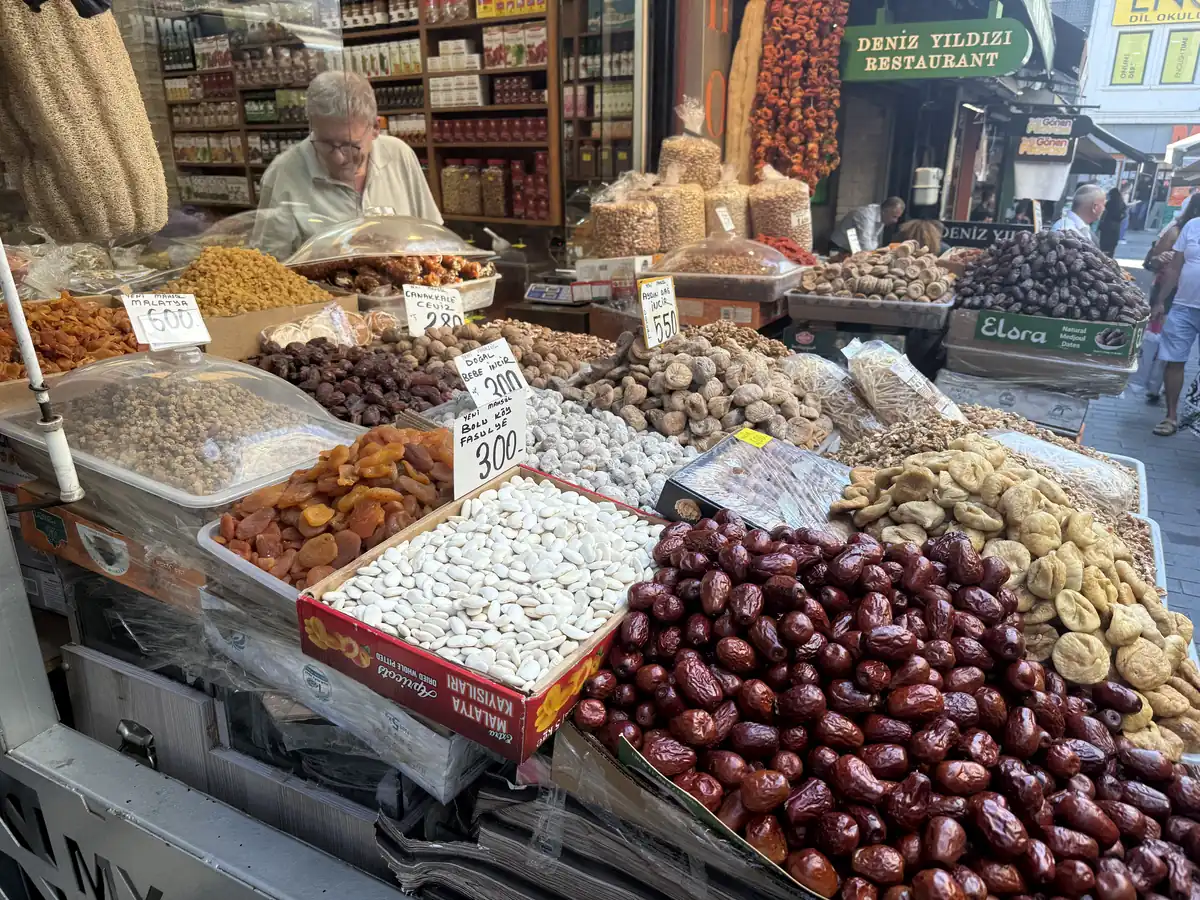
Late morning: a market that reflects Istanbul
More than 2,700 years ago, settlers from Megara founded one of the earliest Greek colonies here, naming it Khalkedon. According to Herodotus, a Persian commander looked across the water towards the peninsula where Constantinople would later rise and declared that the people who settled here first “must have been blind” to have missed it. Perhaps they weren't blind at all — Kadıköy offered fertile land, freshwater and easy access to the sea.
Step into Kadıköy Market today and you'll quickly realise this is where Istanbul eats. Fishmongers proudly display the morning's catch. Cheese shops introduce flavours from every corner of Turkey. Spice merchants, pickle shops and tiny cafés spill onto the pavements, while mosques, Armenian churches and Greek Orthodox churches stand within a few minutes' walk of one another. This is not a museum — it is a living neighbourhood. We've written a whole local's guide to Istanbul's Asian side if you want the full street-by-street story.
Afternoon: walk towards Moda
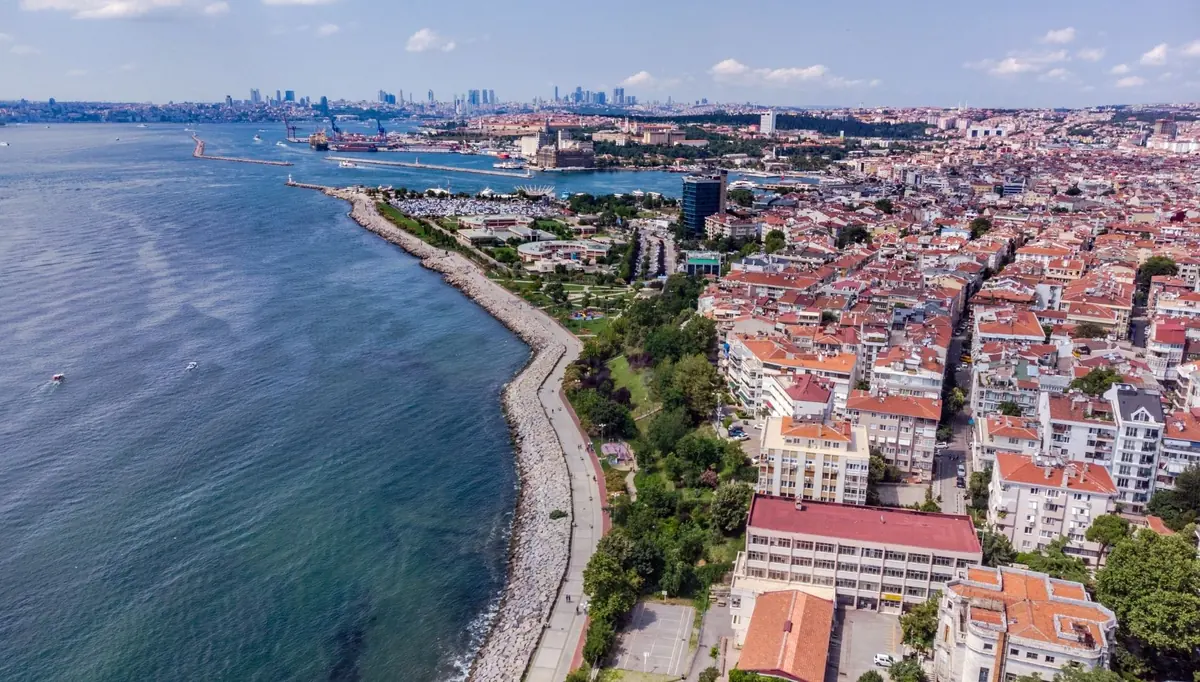
Leave the market behind and follow the gentle climb along Moda Avenue. Without really noticing it, the atmosphere begins to change. The streets grow quieter. Historic apartment buildings stand beside elegant wooden villas. Artists' studios sit next to independent bookshops; coffee roasters share the pavement with small design boutiques.
For generations, this neighbourhood has attracted writers, artists, diplomats and intellectuals. Even today, its streets encourage wandering rather than rushing. There is no checklist here — only the pleasure of walking without needing a destination. If you'd like one anyway, our guide to things to do in Moda & Kadıköy maps the cafés, bookshops and viewpoints.
Phylloxera and rapid urbanisation eventually erased those vines. But the story of wine on the Asian side didn't end — it just moved indoors, a short walk uphill in Moda.
Discover Turkey through its wines at WAYANA
By now, you've probably noticed this itinerary has been leading you somewhere. Not simply to another neighbourhood — but to another way of understanding Turkey. For thousands of years, wine has travelled alongside the history of these lands, crossing the same seas and trade routes, sitting at the same tables where cultures met.
Rather than representing wines from around the world, WAYANA focuses entirely on Turkey: more than 500 Turkish wines, from 156 of the country's 165 licensed producers, covering 85 native grapes — every single one available by the glass. Start with our sommelier's guide to Turkish wine and the native grapes guide.
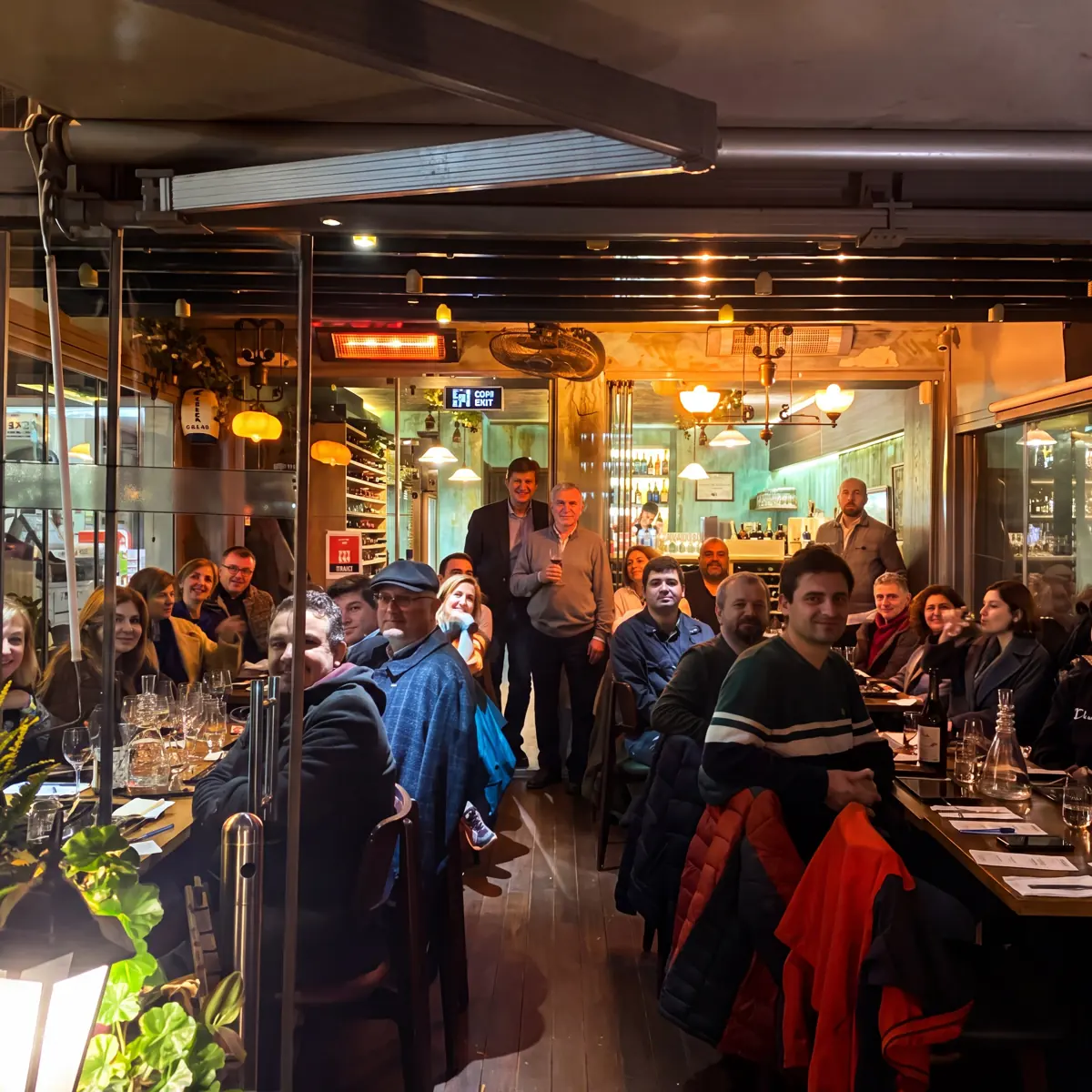
Whether you already know Turkish wine or are tasting it for the first time, there are few better introductions — because understanding Turkey begins with curiosity, and sometimes curiosity begins with a single glass. Travelling as a couple? The courtyard after dark is one of the city's quiet romances — see our date night in Istanbul guide.
The Princes' Islands: where Istanbul slows down
After two days exploring one of the world's busiest cities, today will be different. No palace gates. No crowded markets. No traffic. Only the sound of waves against the ferry.
Morning: the ferry across the Marmara
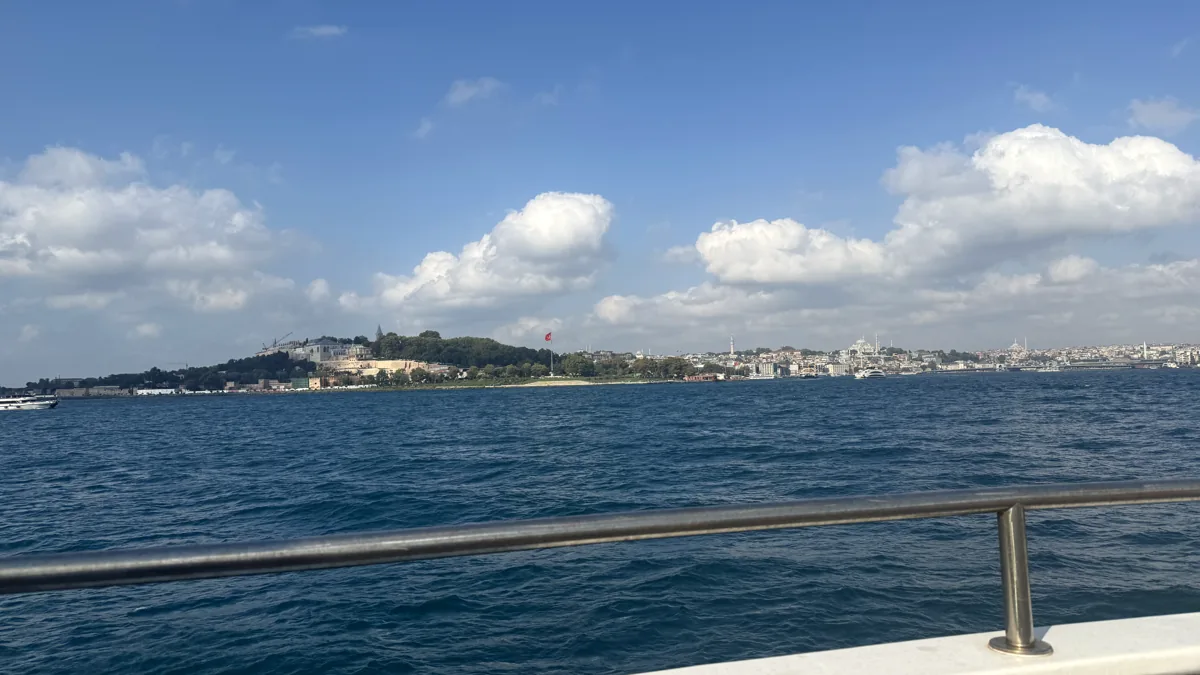
The Princes' Islands lie about an hour from central Istanbul — Şehir Hatları ferries run to the islands from both the European side and Kadıköy — yet they feel wonderfully distant from the city you leave behind. As the boat moves across the Marmara, Istanbul slowly fades into the horizon. For a little while, time seems to slow with it.
For centuries, the islands have offered Istanbul something every great city needs: silence. During the Byzantine period they served as places of exile. Later, wealthy Ottoman families, Levantine merchants and foreign diplomats built elegant wooden summer residences among the pine trees — and many of those beautiful houses still stand today.
Afternoon: arrive without a checklist
Whether you choose Büyükada, Heybeliada, Burgazada or Kınalıada, don't arrive with a plan. Arrive with time. Walk without purpose. Stop for coffee. Listen to the wind moving through the pines. Watch fishing boats return to the harbour. Sometimes the best way to experience a place is simply to stop trying to experience everything.
One of the most beautiful moments of the day comes almost unnoticed: you find yourself sitting on a bench by the sea, looking back towards the skyline of Istanbul. From here, the city no longer feels overwhelming. It becomes a silhouette — a reminder that civilizations, however magnificent, are still part of a much larger landscape. Sea. Sky. Time.
Evening: a journey that doesn't end here
By late afternoon, the ferry carries you back towards the city. The skyline grows larger, the Bosphorus reappears, and life resumes its familiar pace. But something has changed. Three days ago, Istanbul was simply another destination on your travel itinerary. Now it has become the beginning of a much larger story.
Because Istanbul is not the whole of Turkey — it is a gateway to it. Beyond the Bosphorus lie thousands of years of history, some 90 indigenous grape varieties, extraordinary regional cuisines and landscapes that continue to shape one of the world's oldest wine cultures. No visitor can discover all of that in a single journey. But every journey has to begin somewhere — and if your ferry docks back in Kadıköy with the evening still young, you already know where the story continues.
Getting there tonight
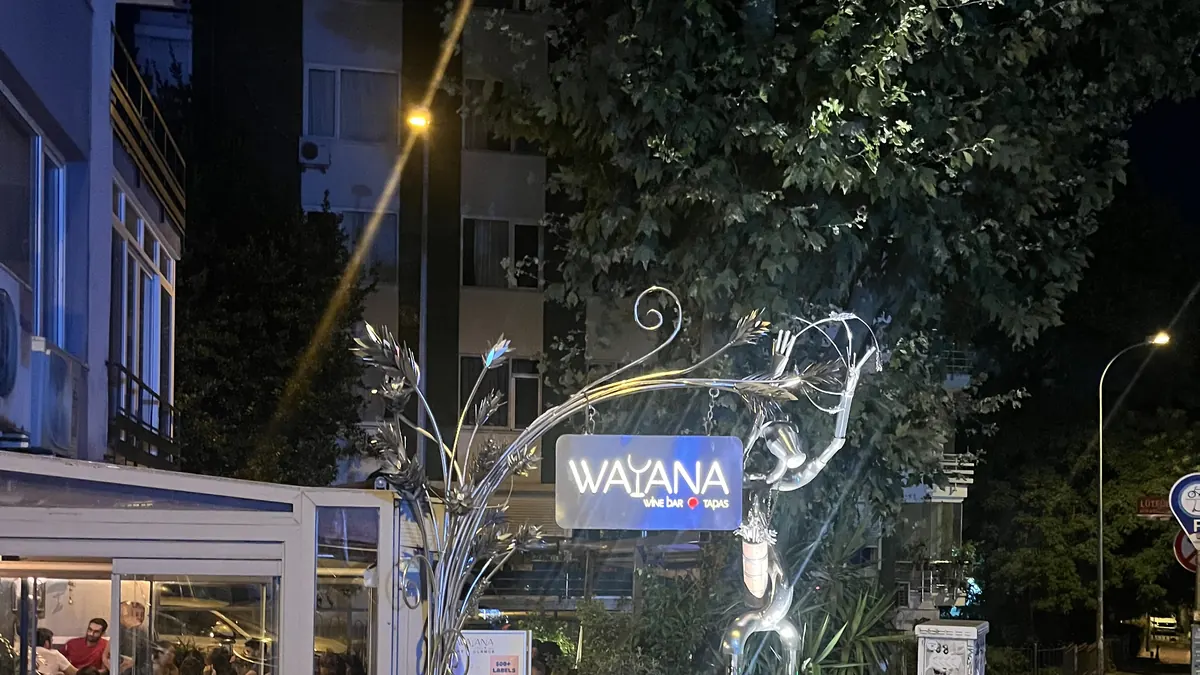
WAYANA sits in Caferağa, Moda — about a 10‑minute walk uphill from the Kadıköy ferry pier. Ferries on the Kadıköy line run from Karaköy and Eminönü roughly every 20 minutes until around 01:00 (check the evening timetable), and the Marmaray rail line crosses under the Bosphorus until around midnight on weekdays, later on Friday and Saturday nights — so slotting a Turkish wine evening into your three days never leaves you stranded. Walk in for a glass, or reserve a sommelier-guided tasting flight.
Questions travellers ask about 3 days in Istanbul
Three days won't show you everything — no amount of time would — but it is enough to experience the city properly rather than just photograph it: one day for the historic peninsula, one day for Kadıköy and Moda on the Asian side, and one day for the Princes' Islands. The key is not to overload each day; Istanbul rewards a slower pace.
Buy an Istanbulkart transit card on arrival — it covers trams, metro, Marmaray and the ferries. Day 1 is almost entirely walkable around Sultanahmet and Eminönü; Day 2 starts with a 20-minute ferry to Kadıköy; Day 3 is a Şehir Hatları ferry to the Princes' Islands. You won't need a taxi for any part of this itinerary.
Yes — precisely because they are the opposite of the first two days. The islands are car-free, pine-covered and unhurried, with Victorian-era wooden mansions and sea views back towards the city. If your time is tight, you can compress them into a half day from Kadıköy and spend the evening back in Moda.
Sultanahmet puts you beside the Day 1 monuments; Karaköy and Galata sit conveniently between the old city and the ferries. For a more local experience, stay in Kadıköy or Moda on the Asian side — you'll be 20 minutes by ferry from the sights, surrounded by the city's best food streets, and a short walk from a Turkish wine evening at WAYANA.
The natural moment is the Day 2 evening in Moda. WAYANA, a family-run wine bar in Caferağa, pours more than 500 Turkish wines from 156 of the country's 165 licensed producers — spanning 85 native grapes — every one available by the glass or as a one-third-glass tasting pour, with sommelier-guided flights in English.
Cenap Kuzuoğlu is the founder and sommelier of WAYANA Wine Bar in Moda, Kadıköy — a Turkish-only wine list of 500+ wines from 156 producers, spanning 85 of the country's 90 native grapes, every one poured by the glass. The photographs in this guide are from his own walks through the city, and this is the three-day route he recommends to his own guests.