
Istanbul's Asian Side: From Kadıköy Market to the Wine Routes of Moda
The Asian side of Istanbul is a 20‑minute ferry ride from the old city — and a world away from the tourist circuit. This is where locals shop, eat and drink: Kadıköy Market's fishmongers and pickle shops, Moda's seafront cafés, and a wine bar pouring 500+ Turkish wines by the glass.
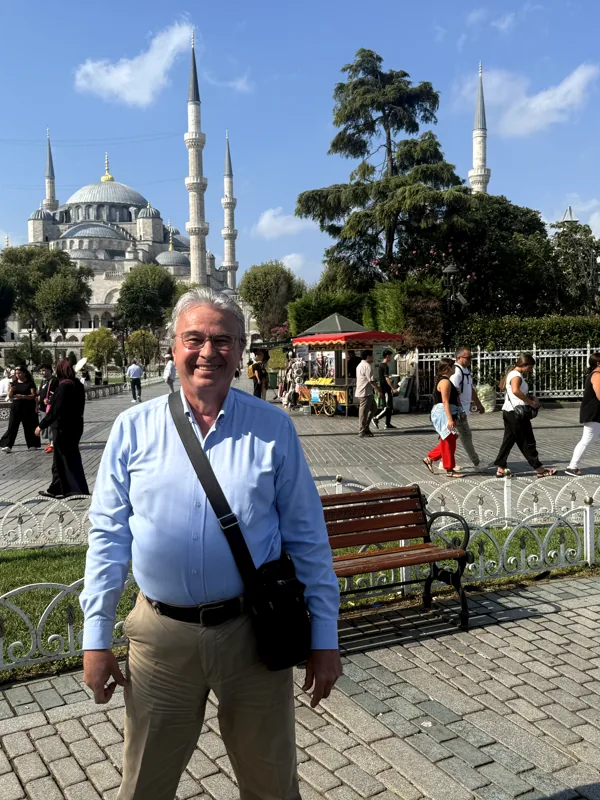 Written by Cenap Kuzuoğlu, founder & sommelier at WAYANA in Moda, Kadıköy — the neighbourhood this guide calls home.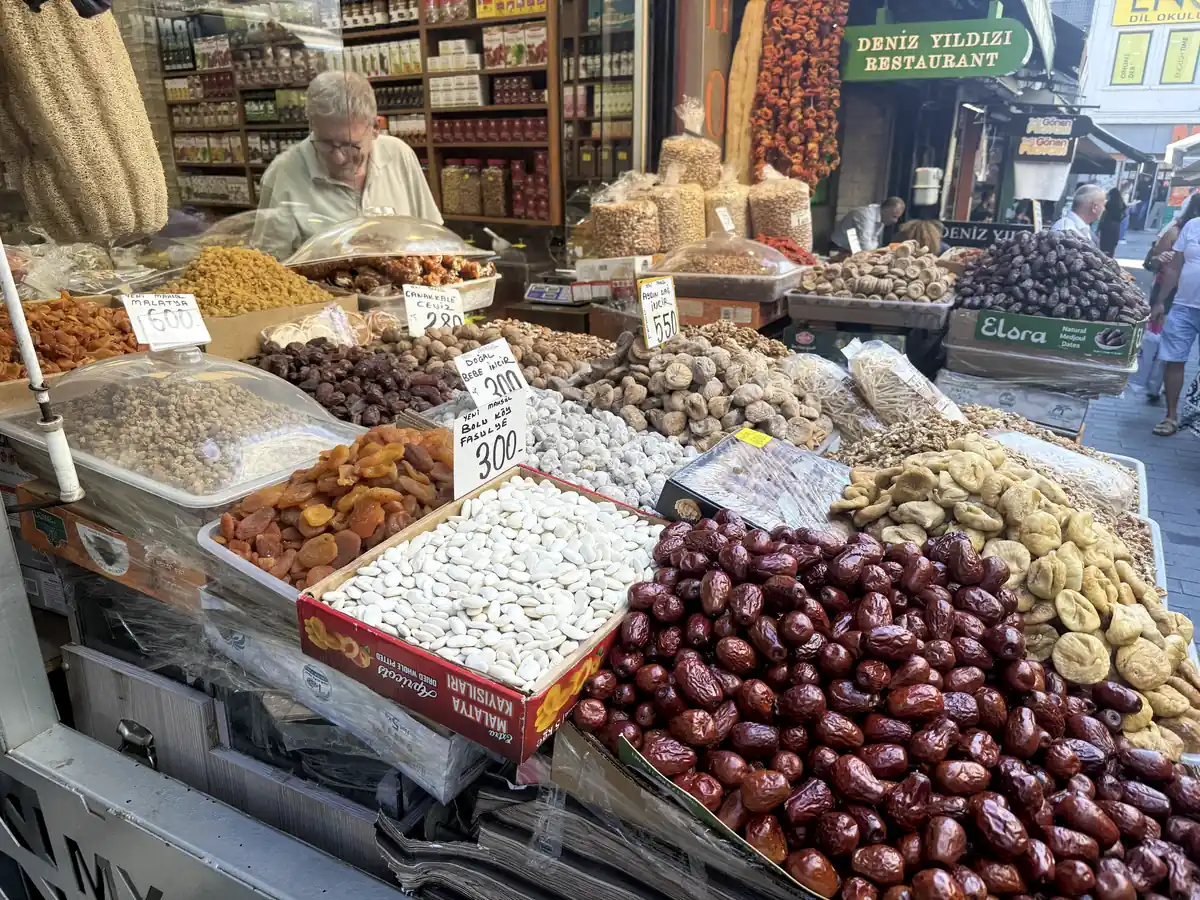
Your first steps in Istanbul… and onto the Asian side
Calling Istanbul one of the world's most fascinating and magical cities is no exaggeration. In fact, people have been saying exactly that ever since the city was founded. After all, where else on Earth can you find a city that both separates two continents and connects two seas?
For most visitors, the first encounter begins at Istanbul Airport — a gateway so vast it almost feels like a city of its own, handling more than 84 million passengers each year. The city's second airport, Sabiha Gökçen on the Asian side, should never be underestimated either: more than 48 million passengers arrive there annually. Together, the two airports welcome well over 130 million arrivals every year.
One of Istanbul's greatest qualities is that no one ever feels like a complete stranger here. Whatever your nationality, the chances are surprisingly high that you will hear your own language while walking down the street. Everyone is a foreigner here — which somehow means that no one truly is.
This is not a city that can be explored in a few days. Even people who have lived here all their lives never stop discovering new corners of it. So in this guide, we are going to take you beyond the places every visitor already knows. We'll leave behind Sultanahmet Square, Hagia Sophia, Topkapı Palace and the classic tourist circuit — and cross the water to the side of Istanbul where the city actually lives.
If you're ready, our journey begins.
How to get to the Asian side of Istanbul
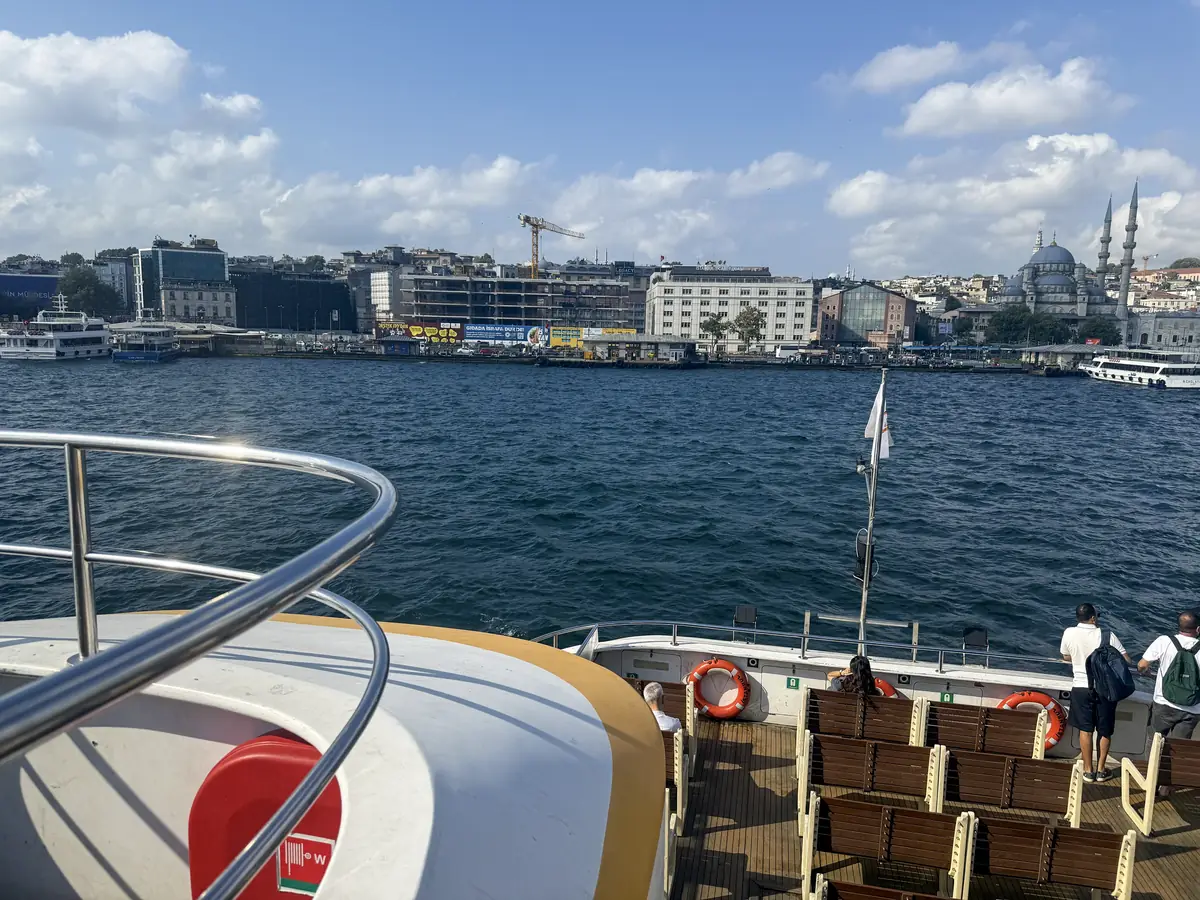
Getting to the Asian side of Istanbul, Turkey, is half the pleasure of visiting it. If you are staying on the European side, the loveliest way across is one of Istanbul's iconic ferries. Boats leave every 15–20 minutes from Eminönü, Karaköy and Beşiktaş, and the crossing to Kadıköy takes about 20 minutes — for the price of an ordinary transit fare.
Find a seat on the open deck, order tea in a tulip glass, buy a simit from one of the vendors, and join the timeless Istanbul tradition of tossing small pieces to the seagulls following the boat. As the skyline of minarets and towers recedes behind you, Asia rises ahead.
And you won't be stranded at night: on the Kadıköy–Karaköy–Eminönü line, boats run roughly every 20 minutes until around 01:00 in both directions, every day. The Marmaray rail line also crosses under the Bosphorus from Sirkeci to Ayrılık Çeşmesi (one stop from Kadıköy) until around midnight on weekdays — and to roughly 01:20 on Friday and Saturday nights.
Kadıköy: once Chalcedon, the “Land of the Blind”
Like almost every district of Istanbul, Kadıköy has its own legends. Its history stretches back nearly 2,700 years, when settlers from Megara — an ancient Greek city-state squeezed between Athens and Corinth — established the first colony here. Limited farmland at home pushed them across the Aegean; arriving in the Bosphorus, they founded their first settlement in what is now Kadıköy. Shortly afterwards, a second colony rose across the water at Sarayburnu, the headland where Topkapı Palace stands today.
According to the ancient historian Herodotus, the Persian commander Megabazus was astonished that the settlers had chosen Kadıköy before the far more strategically positioned Sarayburnu. Looking across the strait, he famously remarked:
This story gave birth to Kadıköy's enduring nickname: the Land of the Blind. Reality, however, was rather more practical — ancient Chalcedon possessed fertile land, abundant freshwater and nearby copper deposits, making it an excellent place to settle.
Now, let's leave ancient history behind and step into today's Kadıköy Market.
Kadıköy Market: a feast for all the senses
Step off the ferry, cross the main road dividing the square, and you enter the lively heart of the Asian side.
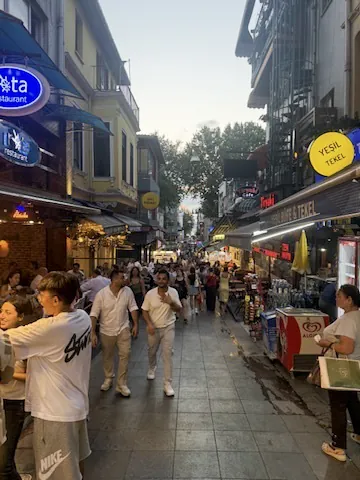
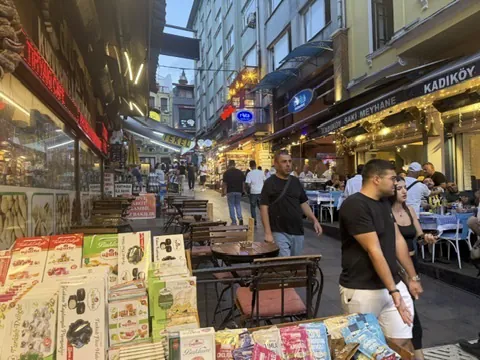
If you imagine this market as simply a place to shop, think again. Yes, you can buy almost anything here. But Kadıköy Market is far more than a marketplace — it is a celebration of everyday life, where bakeries, cafés, tiny street-food stalls and meyhanes (meyhane — a traditional tavern) create an atmosphere that lasts from morning until late at night.
For thousands of years, Istanbul has been home to people from countless cultures. It served as the capital of the Eastern Roman Empire before becoming the capital of the Ottoman Empire until the founding of the Republic of Türkiye. Although the Ottoman ruling class was Muslim, Armenian, Greek and Jewish communities remained an inseparable part of the city's commercial life for centuries. Today their numbers are smaller, yet Kadıköy Market still reflects this multicultural heritage: Turkish artisans continue working alongside Armenian, Greek and Jewish shopkeepers, preserving a tradition that has shaped the neighbourhood for generations.
A walk through the market delights far more than your eyes. Your ears, your nose and your curiosity all become part of the journey. Let's take a closer look at what awaits.
Fishmongers
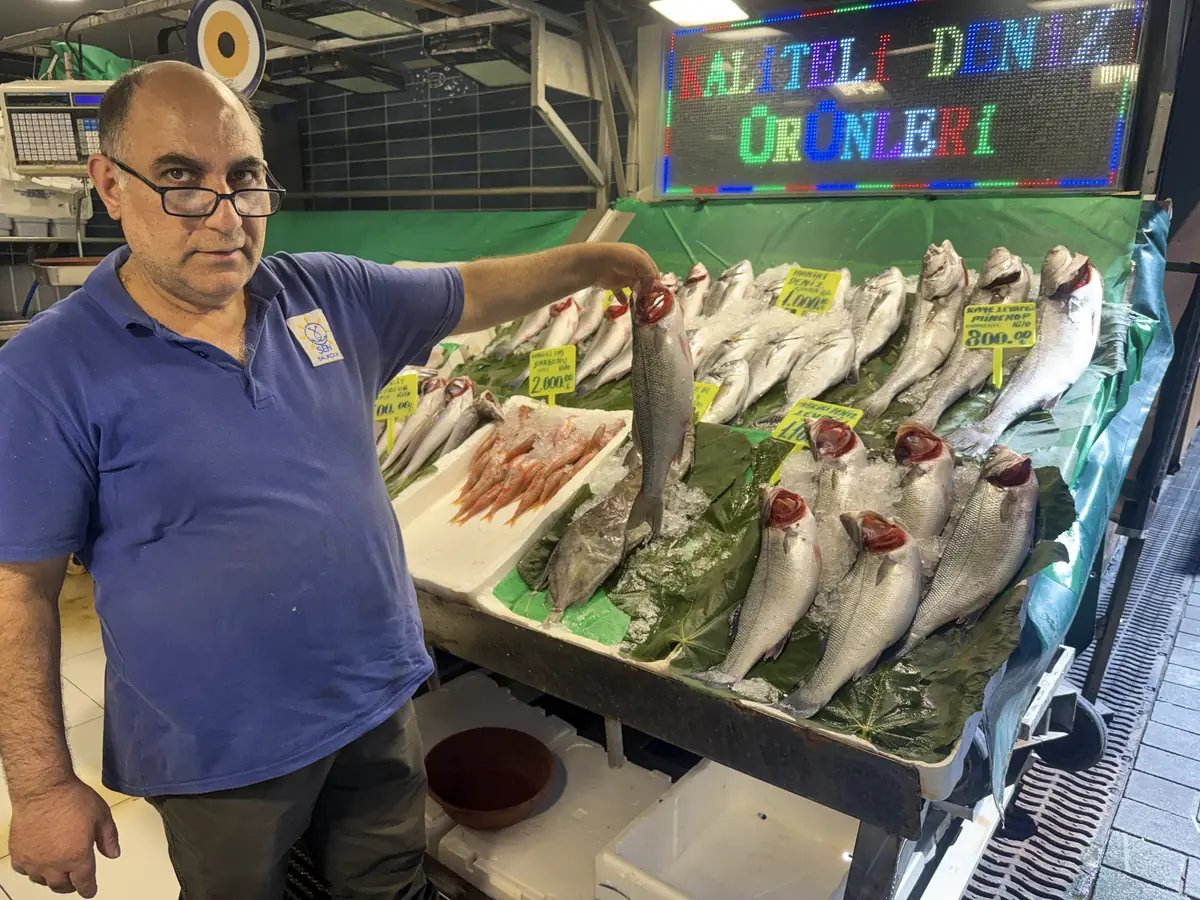
Perhaps the most striking sight in Kadıköy Market is the line of fishmongers displaying the day's catch. The legendary lüfer (Bluefish), often called the king of the Bosphorus, sits alongside bonito — whose different sizes each have their own traditional names — while sole, red mullet and other seasonal fish complete a display that resembles an art exhibition as much as a seafood market.
Behind the counters you'll also discover specialties enjoyed in Istanbul for centuries: lakerda, a delicately cured bonito with roots in Byzantine cuisine; çiroz, made from air-dried mackerel; and tarama, prepared from cured fish roe.
Delicatessens and cheese shops
The delicatessens of Kadıköy Market introduce visitors to one of Türkiye's greatest gastronomic treasures: its remarkable variety of regional cheeses. From Divle Cave Cheese, matured in natural caves near Konya, to Kars Gruyère in the country's northeast; from Kirli Hanım of Ayvalık to the richly aged Old Kaşar of Thrace — hundreds of cheeses compete for your attention.
And the cheeses are only the beginning. Nearby you'll find Zile's famous white molasses, the dark sun-dried apricots of Malatya, and the world-renowned pistachios of Gaziantep, all waiting to accompany your discoveries.
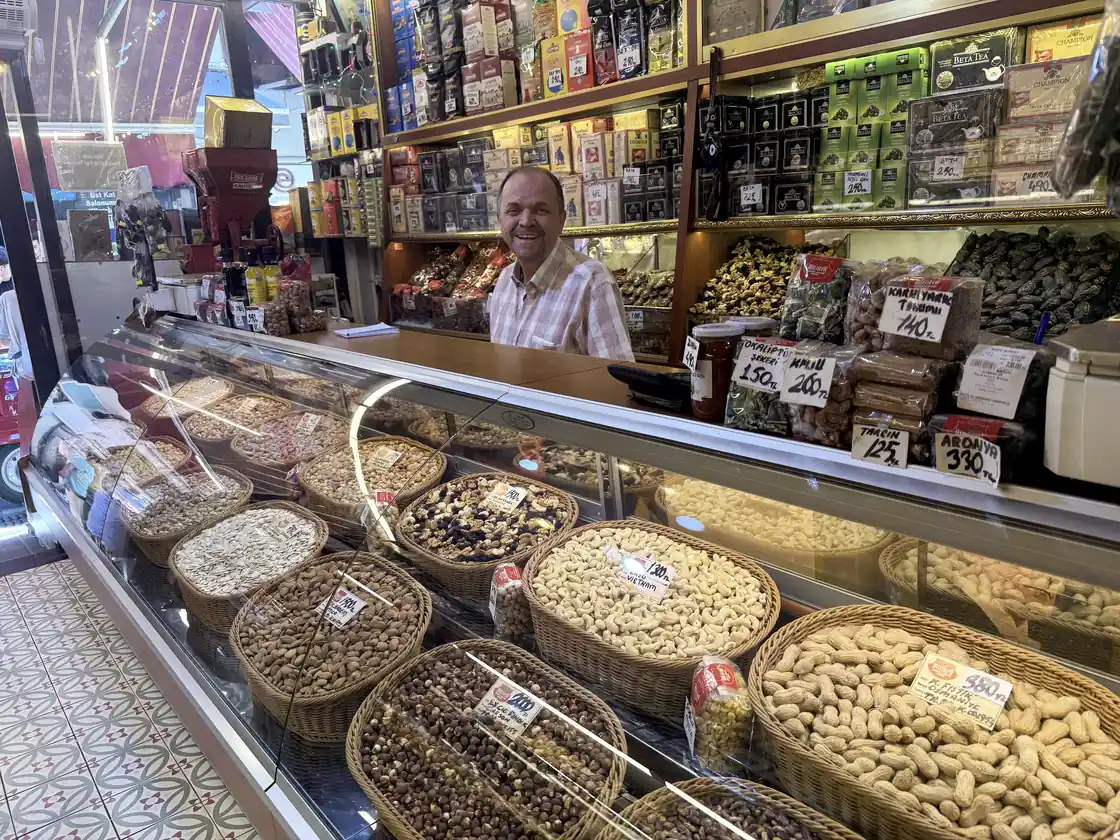
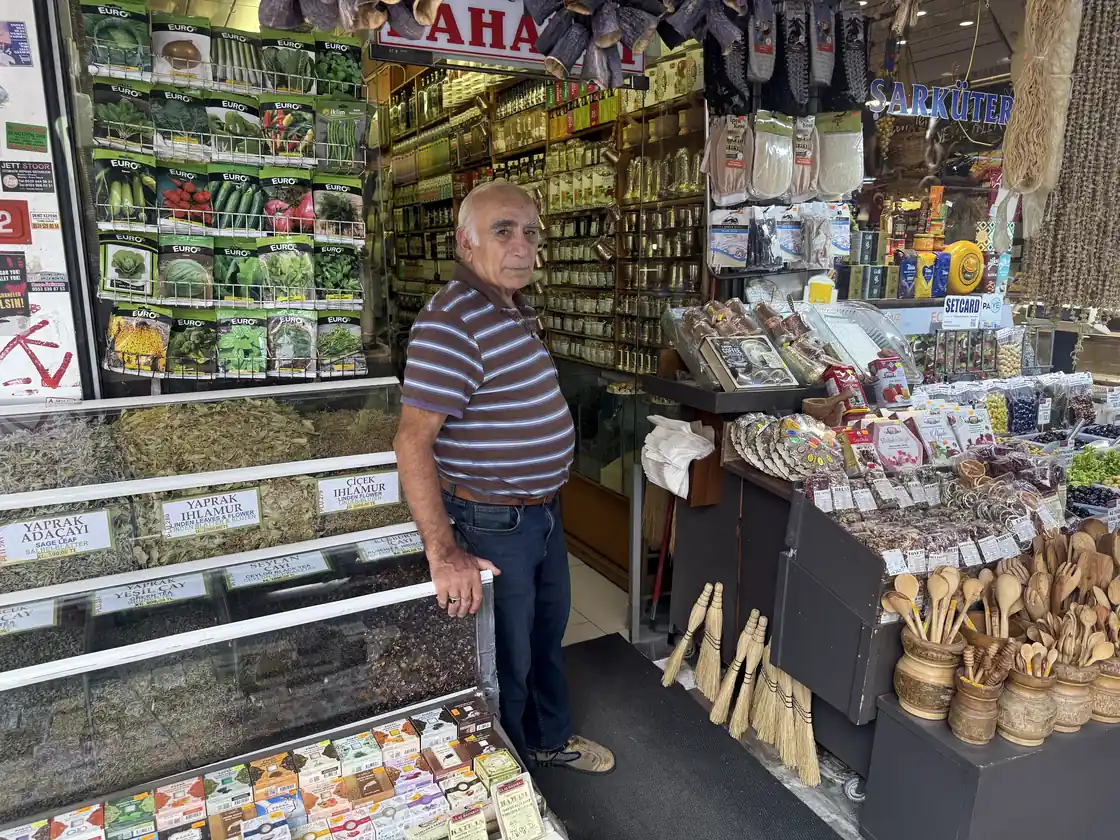
Spice shops
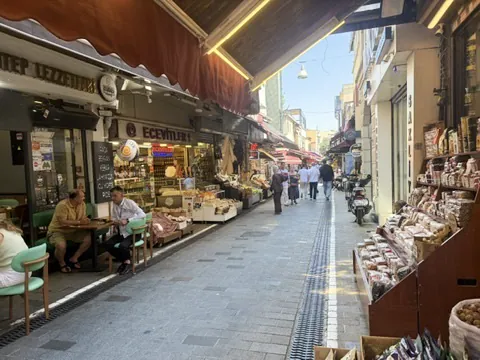
For centuries, Istanbul stood at the crossroads of the world's spice trade, and Kadıköy Market still reflects that extraordinary legacy. Small spice shops overflow with colourful jars and fragrant sacks filled with herbs, spices and natural remedies passed down through generations.
Cumin, thyme, dried mint, turmeric and countless other ingredients line the shelves. Each doorway greets you with another distinctive aroma, making every few metres feel like entering a different world.
Pickle shops
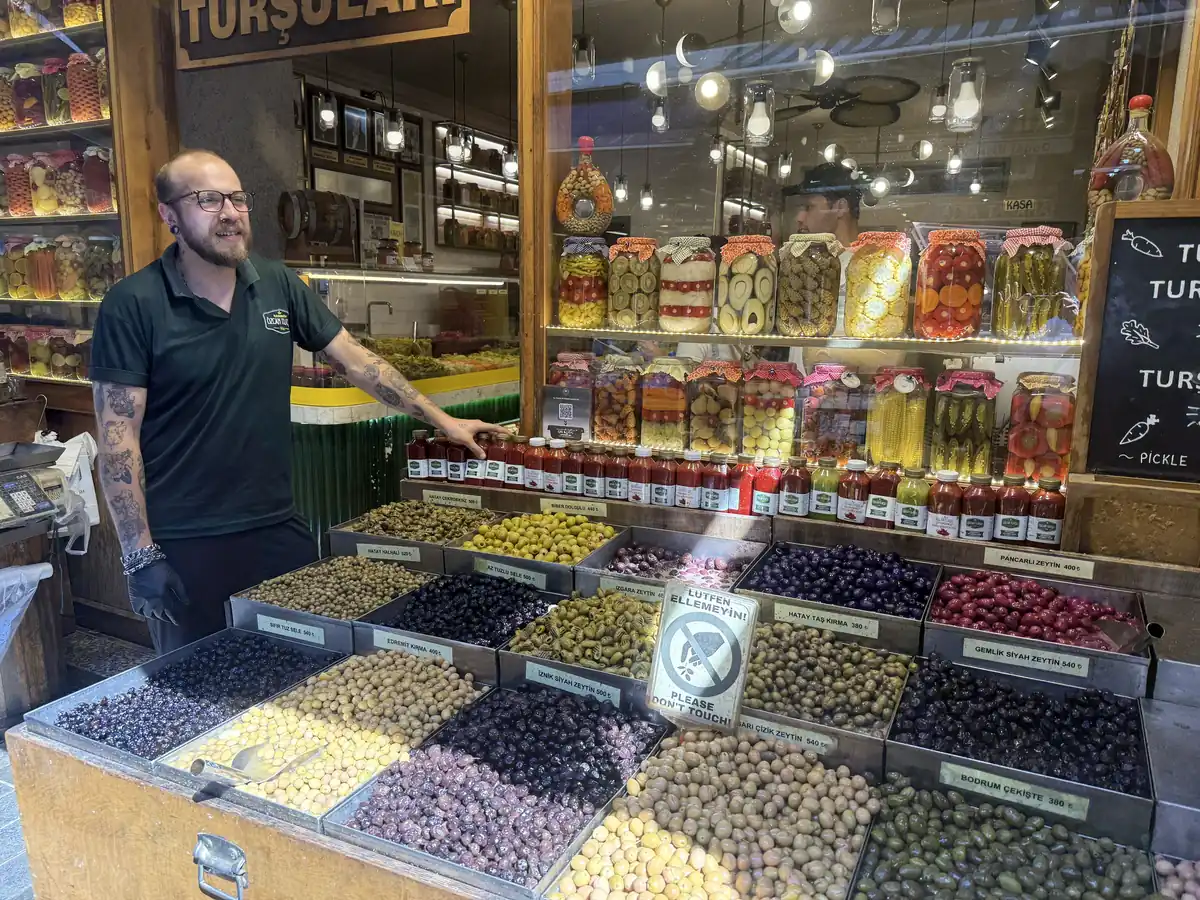
From a distance, pickle shops first capture your attention with their astonishing colours: deep burgundy beetroot beside olive-green cucumbers in towering glass jars that look more like modern art than preserved vegetables.
Step inside and another surprise awaits — barrels of vine leaves in brine, brought from Tokat, ready to become the famous stuffed grape leaves found across Türkiye. Even if you buy nothing else, resisting a chilled glass of traditional pickle juice is almost impossible.
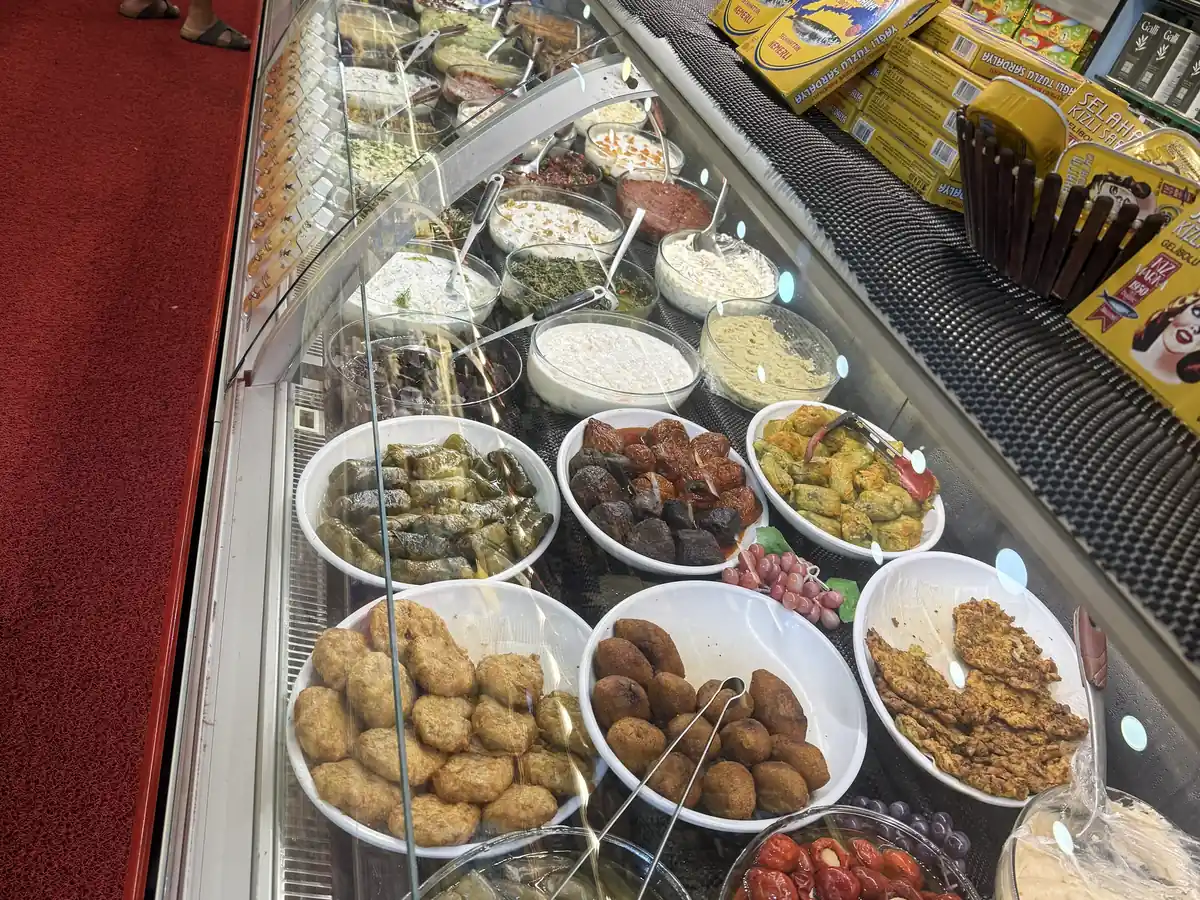
Meze and street food
The displays of meze behind the glass counters seem almost designed to tempt passers-by. Can anyone really ignore them? Lentil patties made with bulgur sit beside barbunya pilaki, while bright green black-eyed peas share the counter with octopus salad dressed in olive oil.
A few steps later, another aroma fills the air, accompanied by the unmistakable sound of something sizzling in a frying pan — probably a seafood stall. And if someone places a plate of freshly fried mussels with creamy tarator sauce in front of you… declining becomes remarkably difficult.
Look up: three faiths, a few minutes apart
Before we become completely distracted by the food, let's remember to look up. Kadıköy Market is also a beautiful reflection of the city's multicultural history — mosques, churches and historic buildings stand only a few minutes' walk from one another, illustrating centuries of peaceful coexistence.
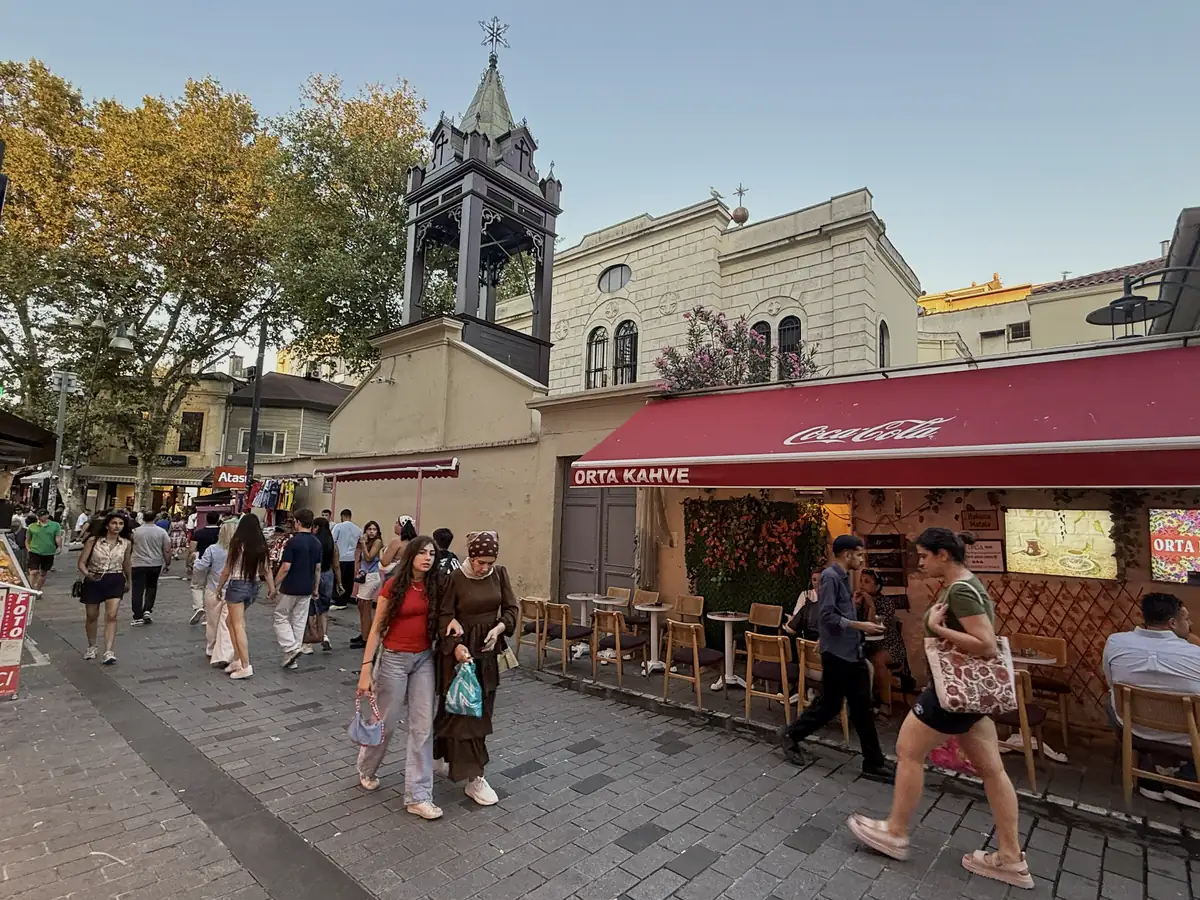
Kethüda Mosque, nearly five centuries old, is the oldest mosque in Kadıköy. In the heart of the market stands Surp Takavor Armenian Church, its bell tower rising right above the café tables, and a little farther inside the neighbourhood you'll find Ayia Efimia Greek Orthodox Church — the moment you step through its doors, the lively sounds of the market disappear, replaced by an almost unexpected silence. Another reminder of the Ottoman era is one of the city's historic muvakkithanes — small buildings once used to calculate daily prayer times through astronomical observation.
The Istanbul you came to see
- Hagia Sophia, Topkapı Palace, the Grand Bazaar — the monuments every first visit deserves
- Grand imperial architecture and museum-quality history at every turn
- Busy, touristic, and priced accordingly around the main sights
The Istanbul locals live in
- Kadıköy Market, meyhanes and street food where Istanbullus actually shop and eat
- Moda's seafront, bookshops, cafés and one of the world's coolest neighbourhoods
- Fewer crowds, local prices — and Turkish wine by the glass at WAYANA
Moda: one of Istanbul's most distinguished neighbourhoods
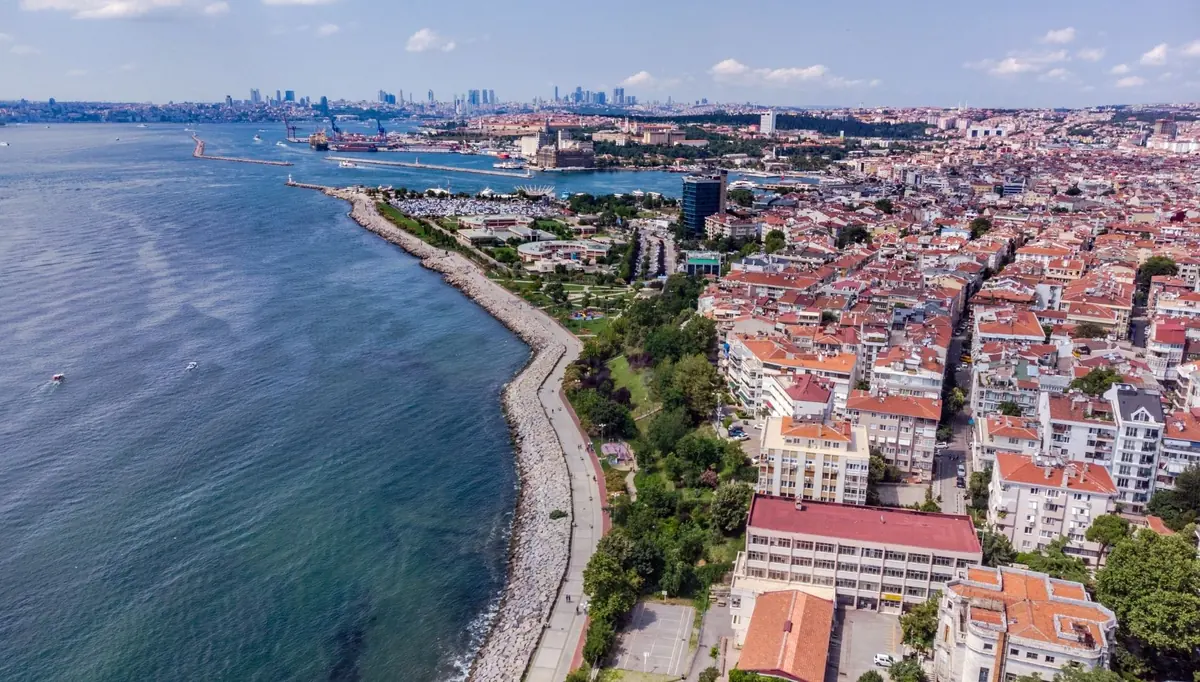
Climbing beyond the market, we reach Moda Avenue — the elegant street leading towards the beautifully restored Moda Ferry Terminal. For the past two centuries, Moda has been one of Istanbul's most prestigious districts: during the Ottoman era it attracted intellectuals, Levantine families, British merchants and senior members of the imperial bureaucracy, and the elegant historic mansions along the avenue still recall those days.
The neighbourhood's cultural heritage appears in unexpected places. Lines of poetry by the internationally celebrated Turkish poet Nazım Hikmet are engraved into the pavements along the winding street named after Ferit Tek, while the small lane known as Vitol Çıkmazı preserves the memory of the influential Whittall family, one of Istanbul's prominent Levantine dynasties.
In recent years Moda has evolved once again. Its side streets are now filled with artists' studios, independent cafés, bookstores and boutiques — a vibrant blend of history and creativity that has earned Moda international recognition as one of the world's coolest neighbourhoods. Planning to linger? Our guide to things to do in Moda & Kadıköy maps the cafés, bookshops and viewpoints street by street.
The forgotten vineyards of Kadıköy
Don't expect to see vineyards while walking through today's Kadıköy. Modern apartment buildings have long replaced the agricultural landscape. But it wasn't always this way.
Only about a century ago, the nearby district of Erenköy was covered almost entirely with vineyards. Like many wine regions around the world, they eventually fell victim to phylloxera — the tiny insect that devastated vineyards across Europe and beyond during the nineteenth and early twentieth centuries. Travel a little farther east to present-day Pendik, and historical records show wine production continuing there during the 1930s under the supervision of Tekel, the state monopoly established in the early years of the Turkish Republic.
The vineyards themselves have disappeared beneath Istanbul's relentless urban expansion. But the story of wine on the Asian side didn't end — it just moved indoors, a short walk uphill in Moda.
Discover Turkish wine at WAYANA
Türkiye possesses one of the world's oldest wine traditions — the oldest known evidence of wine residues was found in a vessel at Körtik Tepe in southeastern Türkiye, dated to some 11,300 years ago. Yet Turkish wine remains surprisingly unfamiliar to many travellers.
That's exactly why WAYANA exists. Türkiye has around 165 licensed wine producers — our list in Moda carries wines from 156 of them: more than 500 wines, every single one available by the glass, and almost every one as a one‑third‑glass tasting pour. Of the roughly 90 native Turkish grapes in commercial production, you can taste 85 here. Curious how deep it goes? Start with our sommelier's guide to Turkish wine and the native grapes guide.
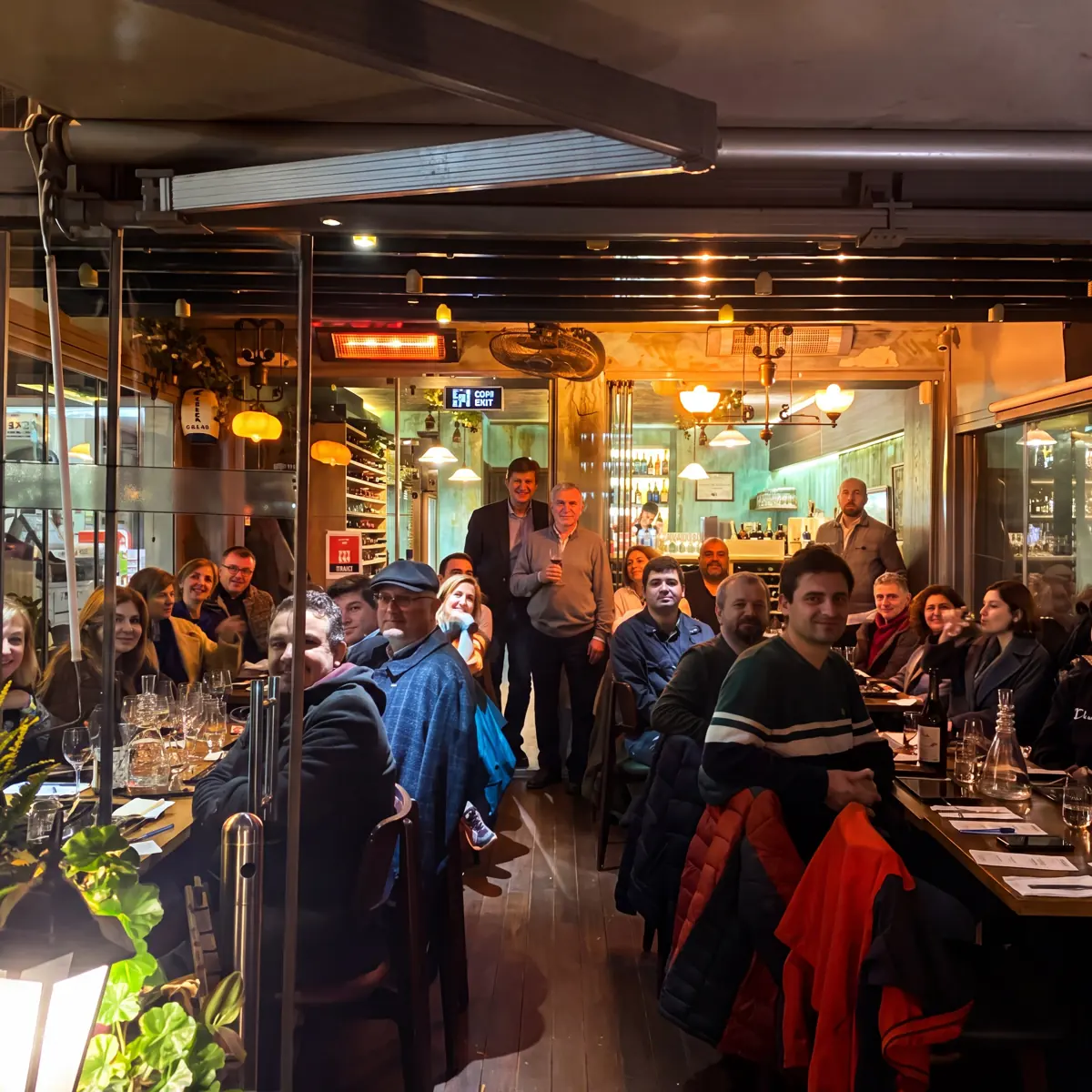
If discovering unfamiliar grape varieties, meeting local producers through their wines and experiencing one of the world's oldest wine cultures sounds appealing, you'll know exactly where to end your day on the Asian side. Welcome to WAYANA. Welcome to the wines of Türkiye.
Things to do on Istanbul's Asian side in one day
Wondering what to see on the Asian side? The perfect day here needs no bookings until sunset — this is the local rhythm. Planning the whole trip? This day slots in as Day 2 of our 3 days in Istanbul itinerary.
Ferry & the market
Catch a mid-morning ferry from Eminönü or Karaköy, feed the seagulls on the way, then dive into Kadıköy Market: fishmongers, cheese shops, spices, pickles — and a çay whenever you need one.
Moda's streets & seafront
Wander up Moda Avenue past the historic mansions, browse the bookshops and studios, then follow the seafront promenade for Marmara views. Grab an ice cream at the historic Moda dondurmacı.
Turkish wine & meyhane
End with a sommelier-guided flight of native grapes at WAYANA — then, if the night is young, a classic meyhane dinner back in the market. Making it romantic? See our date night in Istanbul guide.
Getting there tonight
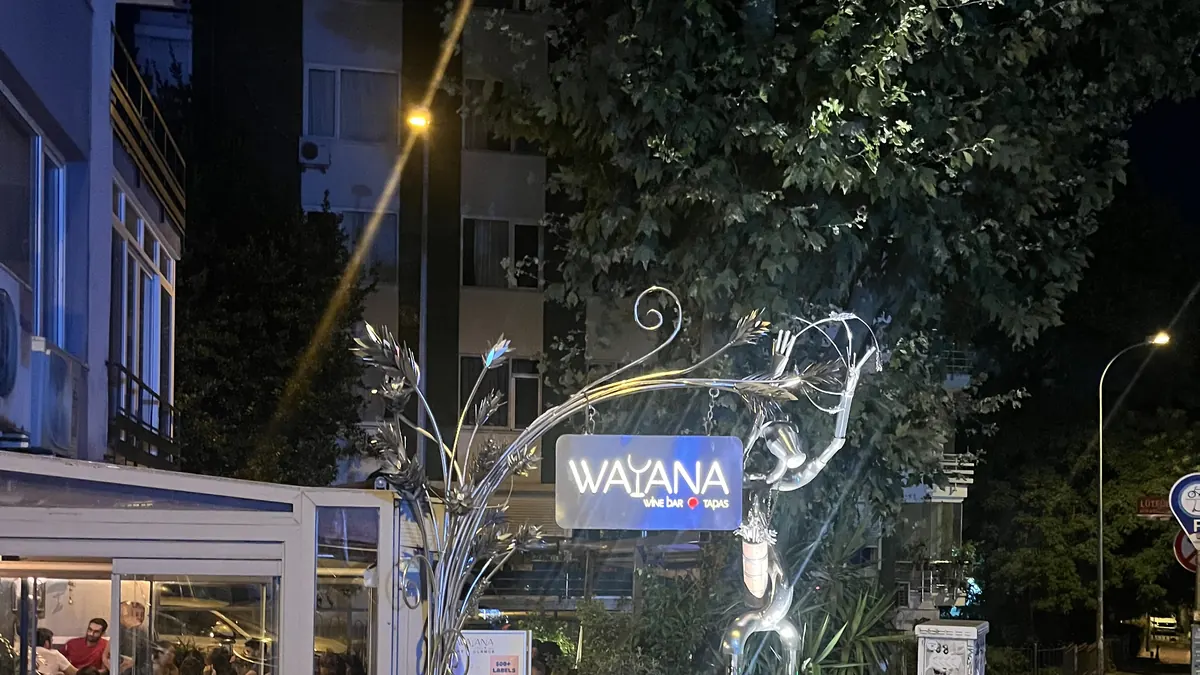
WAYANA sits in Caferağa, Moda — about a 10‑minute walk uphill from the Kadıköy ferry pier. Ferries on the Kadıköy line run from Karaköy and Eminönü roughly every 20 minutes until around 01:00 (check the evening timetable), and the Marmaray crosses until around midnight on weekdays, later on Friday and Saturday nights — so an evening on the Asian side never leaves you stranded. Walk in for a glass, or reserve a sommelier-guided tasting flight. Making a full evening of it? See our guide to Istanbul at night.
Questions travellers ask about the Asian side
Absolutely — it's where locals actually live, shop and eat. Kadıköy Market is one of the best food markets in Türkiye, Moda ranks among the world's coolest neighbourhoods, and prices are noticeably friendlier than around the old-city sights. It's also only a 20-minute ferry ride away, so even a half-day visit is easy.
Take a ferry from Eminönü, Karaköy or Beşiktaş to Kadıköy — boats leave every 15–20 minutes and the crossing takes about 20 minutes on an ordinary transit fare. The last boats on the Kadıköy–Karaköy–Eminönü line leave around 01:00. Alternatively, the Marmaray rail line crosses under the Bosphorus from Sirkeci to Ayrılık Çeşmesi, one stop from Kadıköy, until around midnight on weekdays and roughly 01:20 on Friday and Saturday nights.
The Istanbul Asian side is known above all for its food and neighbourhood life: Kadıköy Market's fishmongers, cheese and pickle shops, the meyhane (tavern) culture, and Moda's seafront cafés and independent shops. It's also home to a growing wine scene — WAYANA in Moda pours more than 500 Turkish wines by the glass, covering 85 native grape varieties.
A full day is ideal: the market in the morning, Moda's streets and seafront in the afternoon, and a wine tasting or meyhane dinner in the evening. With only half a day, focus on Kadıköy Market and a walk through Moda — and you can still catch a ferry back after dinner (boats run until around 01:00).
At WAYANA in Moda, Caferağa — a family-run wine bar carrying around 500 wines from 156 of Türkiye's 165 licensed producers, spanning 85 of the country's 90 native grapes in commercial production. Every wine is available by the glass, or as a one-third-glass tasting pour, with sommelier-guided flights in English.
Cenap Kuzuoğlu is the founder and sommelier of WAYANA Wine Bar in Moda, Kadıköy — a Turkish-only wine list of 500+ wines from 156 producers, spanning 85 of the country's 90 native grapes, every one poured by the glass. He has spent years walking these market streets; this guide is the one he gives his own guests.